
Pollinators, Predators, and Pests
There are many types of garden insects in Northern Virginia. They fit generally into three categories:
- Pollinators
- Predators
- Pests
Which are the beneficial insects? Pollinators and predators. Much like your landscape maintenance provider they are the stewards of your garden. For this article we are going to focus on the benefits of the predator bugs because they provide natural garden pest control.
When you think of insects in your garden, “beneficial” may not be the first word that comes to mind. We are mostly aware of insect pests. The ones that eat our garden flowers and vegetables, the ones you spray, swat or squash.
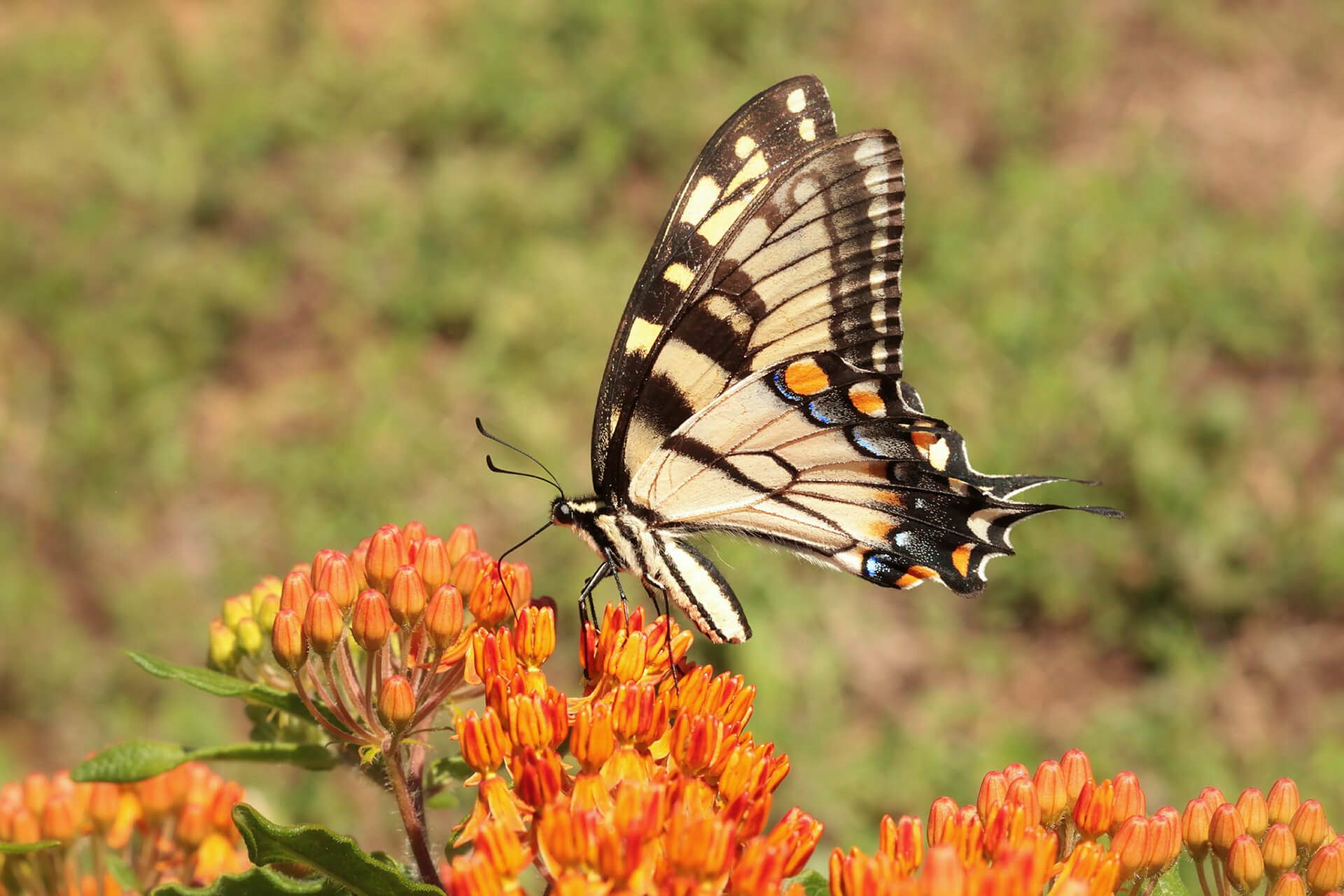
But there is a class of beneficial bugs who are decidedly not vegetarian. They are predators who have a taste for other insects. If they are present in your garden, they control the number of pests. And if your garden is designed to be pollinator friendly, all the better. It will attract butterflies and bees, too. They support plant health to ensure your garden plants thrive.
The Good, the Bad, & the Ghastly
Be glad that you are not a bug. It’s a cruel, cruel world out there in the insect kingdom.
In the air, on the leaves, under the bark, and throughout the soil–your garden is a riot of insect life locked in a ruthless game of survival. The casual mayhem of the insect world makes “Grand Theft Auto” look like “FarmVille”.
On one side are the “bad” bugs, the garden insect pests. They feed on your garden plants. Then there are “good” bugs that eat pest bugs. There are many insects that are good for your garden–and just because an insect looks creepy doesn’t mean you should squash it.
Unlock the full potential of your lawn and gardens!
What’s the difference between a conventional landscape company and one whose staff understands design, horticulture, and landscape systems? To find out, click the button below.
Natural Garden Pest Control: Good Bugs Eat Bad Bugs
It’s simple: beneficial bugs eat pest bugs that would eat your garden. Here are just a few of the most common Northern Virginia beneficial insects that provide natural garden pest control by keeping the numbers of destructive insects in check. So, take care before you slap, swat or stomp. Look but don’t touch. Leave the beneficial insects to their work.
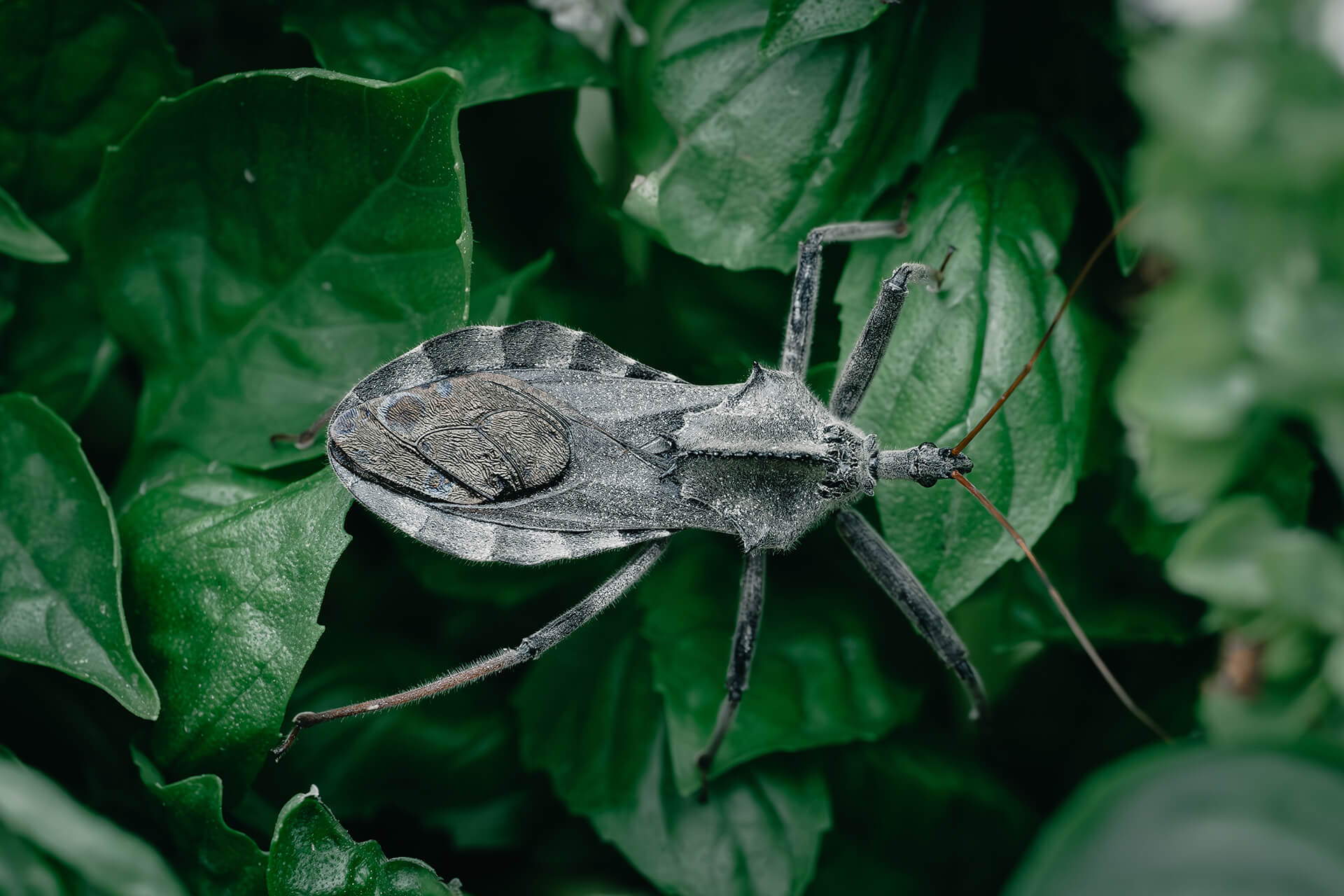
Assassin Bug. This guy is a great example of a creepy looking bug that is harmless to you (if you leave it alone) and good for your garden. It subdues its prey in a particularly inventive -albeit ghastly- manner. Like a movie hit man, the assassin bug is equipped with a specialty killing tool. Projecting from its head is a long skewer (the entomological term is “rostrum) that is part suction tube and part syringe. It injects venom that immobilizes its victim then liquefies the insides—which it then sucks out.
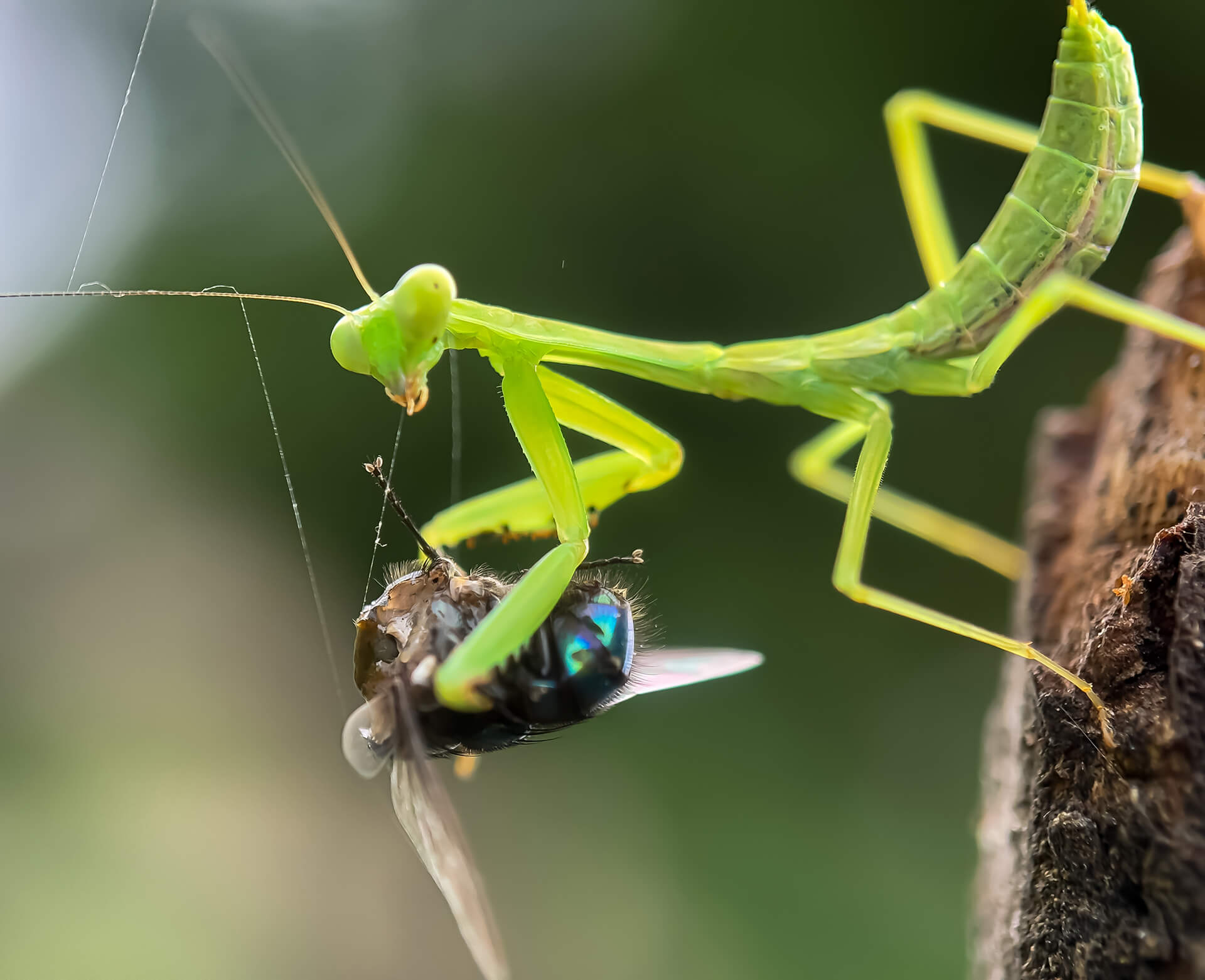
Praying Mantis. The praying mantis is an all around indiscriminate predator. Unfortunately, its menu may include beneficial insects as well as pests. You would not guess by looking at it, but the swizzle stick thin mantis is a voracious eater. It uses those “praying” hands to pin its victim down, then shreds it alive with its powerful mouth. Horrific as this sounds, the mantis’ appetite greatly benefits your garden by providing a natural pest control service.
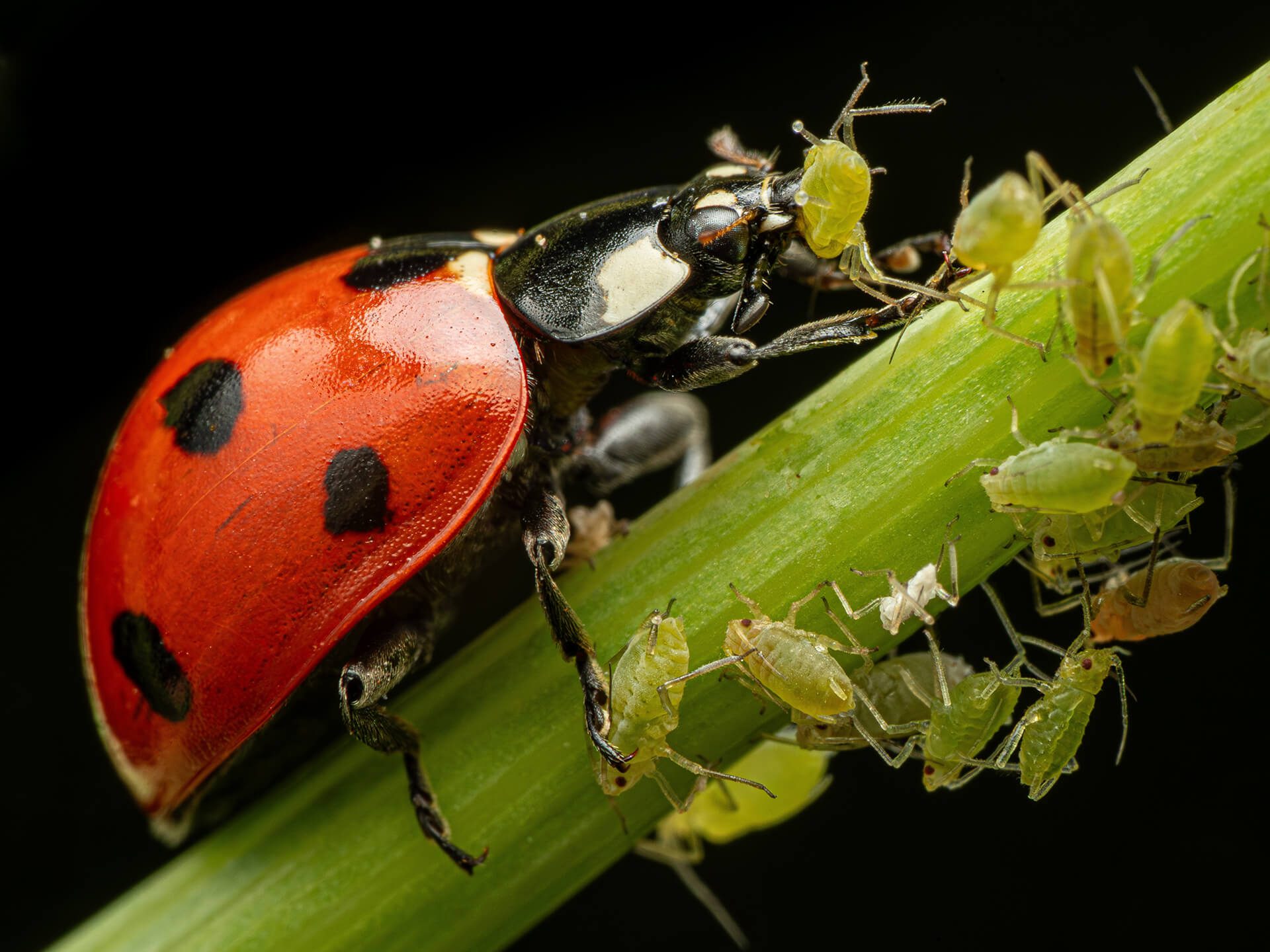
Ladybug. Everybody loves ladybugs. Both the adult and larvae eat other insects that we don’t care to have around our gardens. Ladybugs are especially fond of the aphids that like to wreck your Myrtle trees. To attract lady bugs to your garden, plant a variety of pollen rich native flowers like yarrow. Ladybugs eat pollen and nectar when prey insects aren’t available.
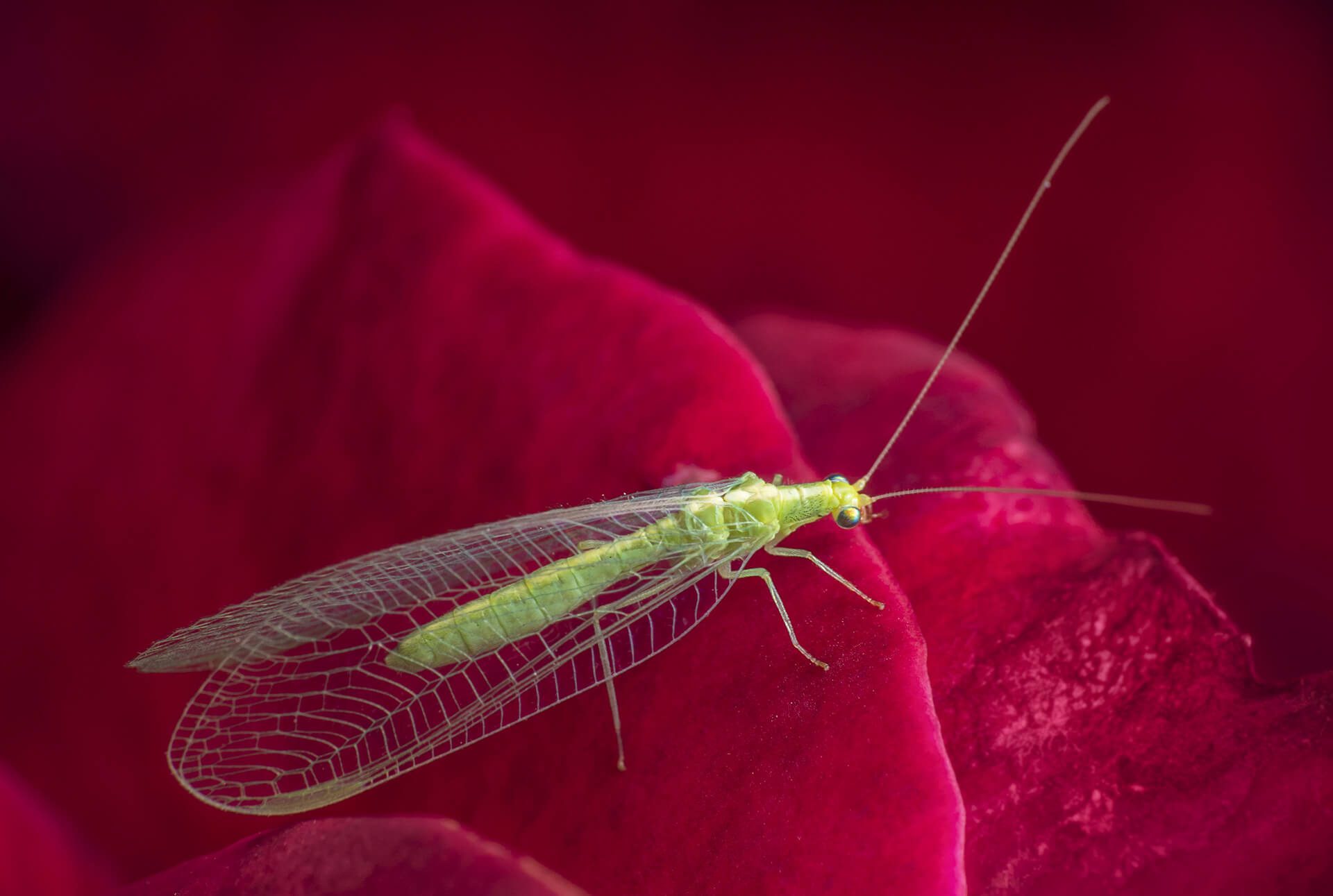
Lacewing Fly. Unmistakable with its long, translucent wings, adults feed only on nectar, pollen, and aphid honeydew, but the larvae are active predators that eat the eggs and immature stages of many insect pests including aphids, spider mites and mealybugs.
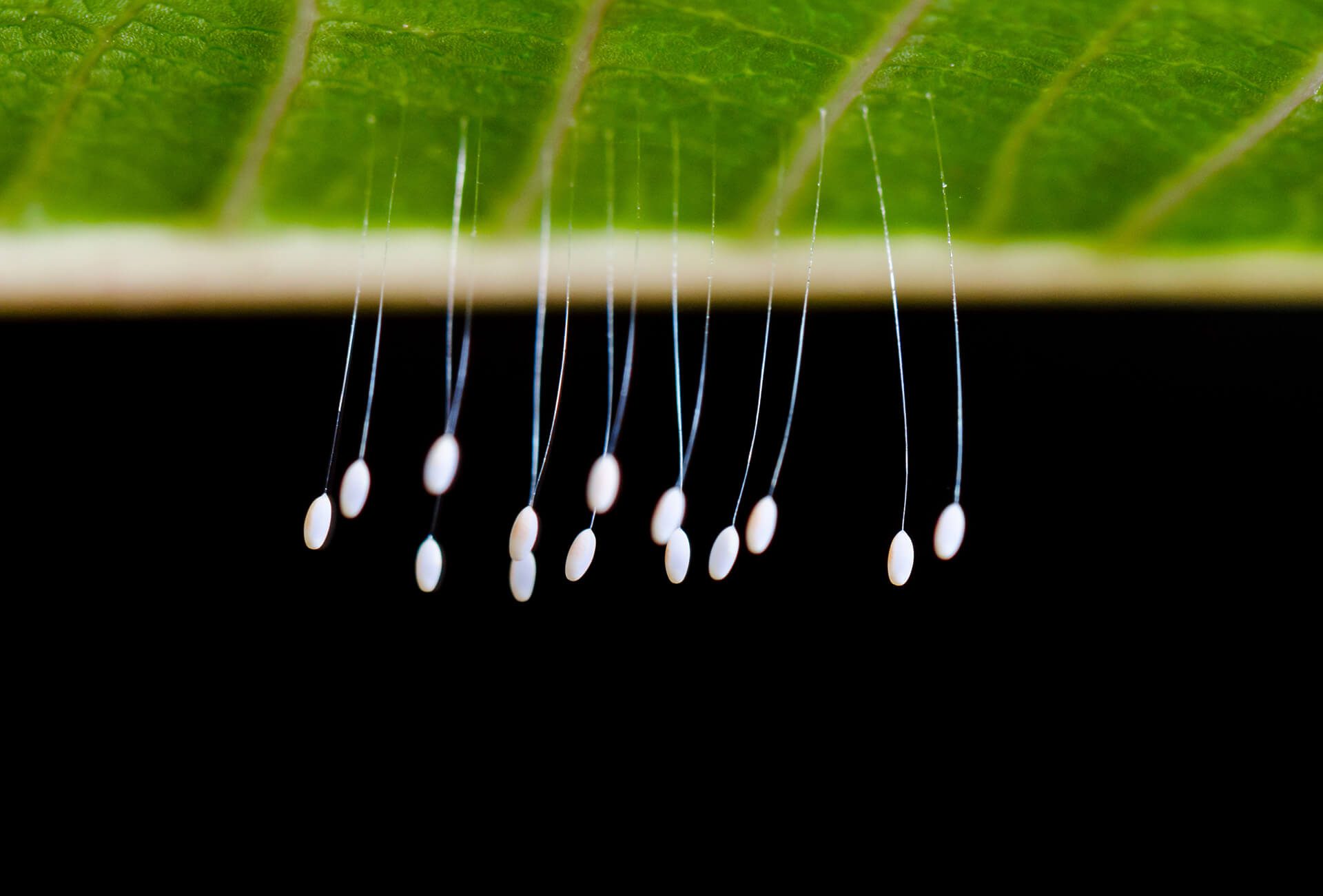
A sure sign that Lacewings are on duty in your garden is to see its distinctive strands of eggs. It lays its eggs on long threads that seem to sprout from a leaf so that predators can’t eat them. So be sure not to disturb them.
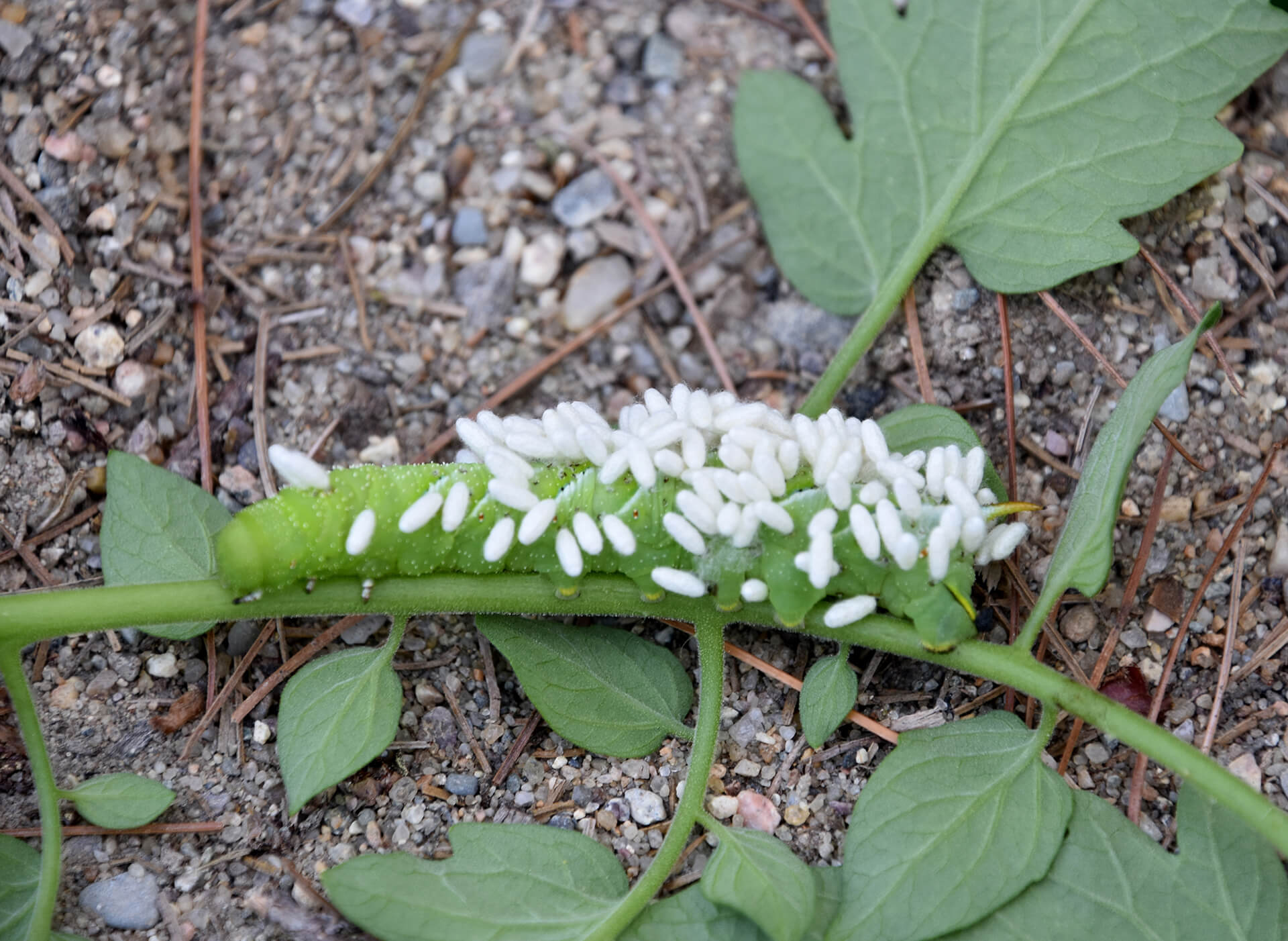
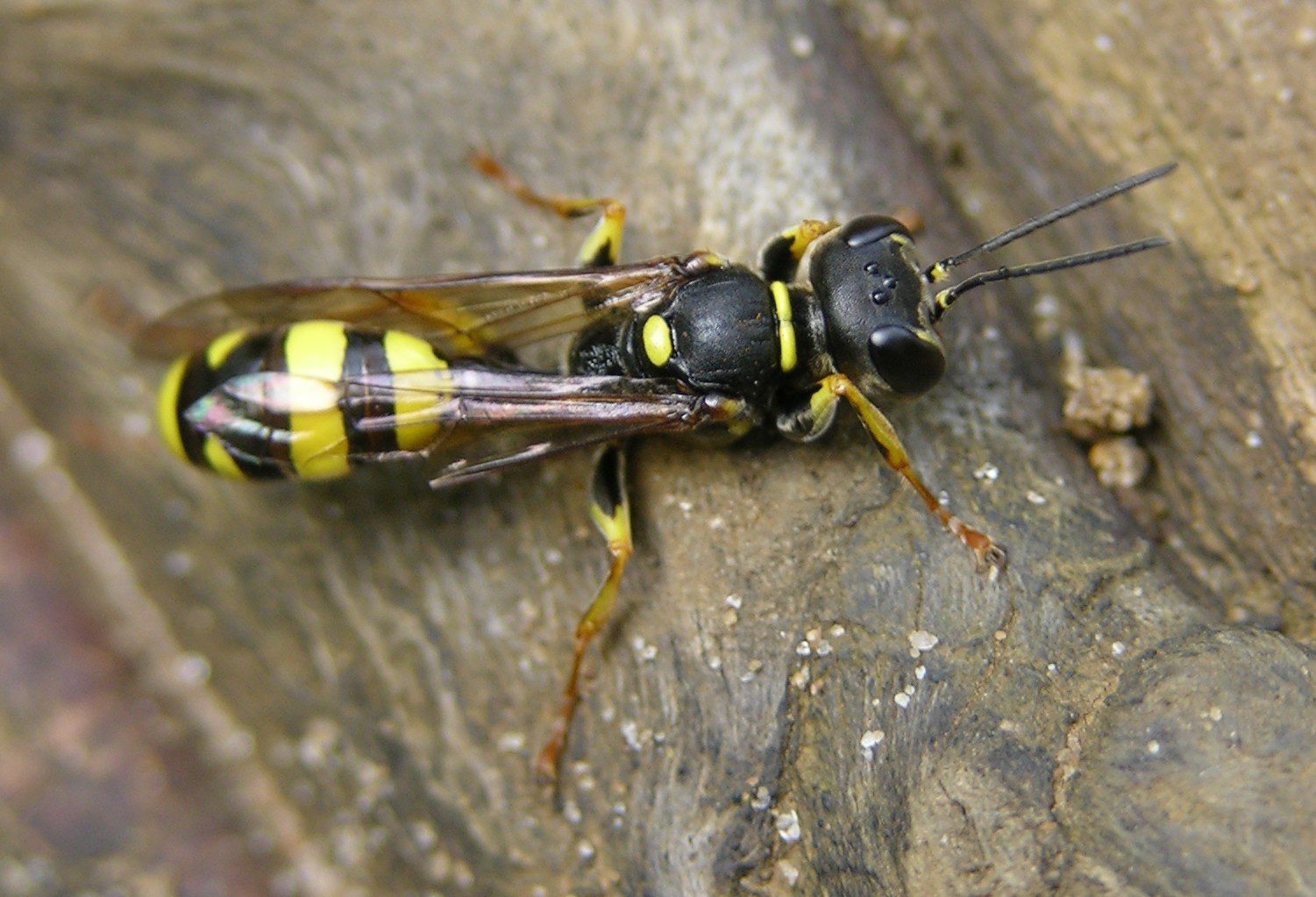
Parasitic Wasp. Remember the space horror movie “Alien”? The Alien used human beings as live hosts for its young. Well, these tiny wasps lay their eggs in the body of another insect. When the eggs hatch, the wasp larvae eat their way out of host insects. Farmers in California distribute them in controlled environments to keep aphid populations in check.
Bacterium, fungus and nematodes. These micro-organisms live in the soil and help to keep the pest population at acceptable levels. You can buy bacteria to add to your soil. In some situations this is a good strategy for building up the population of good bacteria to avoid the need for applying a pesticide.
Natures Good Guys, based in Medford, Oregon is an online seller of many types of predator organisms for natural pest control especially for edible gardens.
An Uneasy Alliance
Obviously, the “good” bugs aren’t actually good–or nice. Let’s face it, they’re dead-eyed killers who like the taste of other insects. It just so happens that their appetites work to the advantage of our garden plants. To be fair, it is much the same in the world of mammals. The plant-eaters are prey for the meat eaters.
So, we can at least agree that these ghastly predators are beneficial to our garden plants and are an integral part of a well balanced eco-system.
If you notice that some of your plants or trees aren’t looking well, it is possible there aren’t enough beneficial insects in the yard to offset the activities of the plant eating ones.
The easiest way to deal with pest problems in the garden is to prevent them. A comprehensive garden management program that includes scheduled landscape maintenance and horticultural inspections is the best way to accomplish that. If you would like to get some definite answers and a plan of action (if necessary), feel free to contact one of our garden care specialists. We would be happy to walk the grounds with you and give you actionable recommendations to maintain or improve the health of your garden plants and trees.
Perhaps you are wondering how to bring out the fullest expression in your landscape and gardens. Our eBook: Choosing the Right Kind of Landscape Maintenance Firm, is full of valuable information to help you understand the fundamental differences between landscape maintenance companies.
Frequently Asked Questions
1. What are beneficial insects in the garden?
Beneficial insects are pollinators and predators that support plant health. Predatory insects help control pest populations naturally by feeding on insect pests that damage garden plants.
2. Which insects provide natural garden pest control in Northern Virginia?
Common beneficial predators include ladybugs, praying mantises, lacewings, assassin bugs, and parasitic wasps. These insects help reduce populations of aphids, mites, and other garden pests.
3. How can I attract more beneficial insects to my garden?
Planting a diverse, pollinator-friendly landscape composed of at least 50% native Northern Virginia plant species will attract and support beneficial insect populations.
4. What is the best way to prevent pest problems in the garden?
Regular landscape maintenance, horticultural inspections, and proactive garden care help identify issues early and create conditions that support healthy plants and beneficial insects.
About Surrounds Landscape Architecture & Construction
Surrounds is a combined landscape architecture, construction, and landscape maintenance firm. We build what we design and provide ongoing garden care for landscapes we’ve built. Our landscape architects know construction. Our construction and landscape maintenance experts understand design. We believe our all-in-one approach best serves Northern Virginia homeowners because it supports clear communication, creative collaboration, and procedural efficiencies that significantly benefit you, our client.