
Featured Projects
Maximizing Outdoor Living Space in Arlington, VA
Vacationing at Home in Mclean, VA
Symmetry, Safety, and Fun in Great Falls, VA
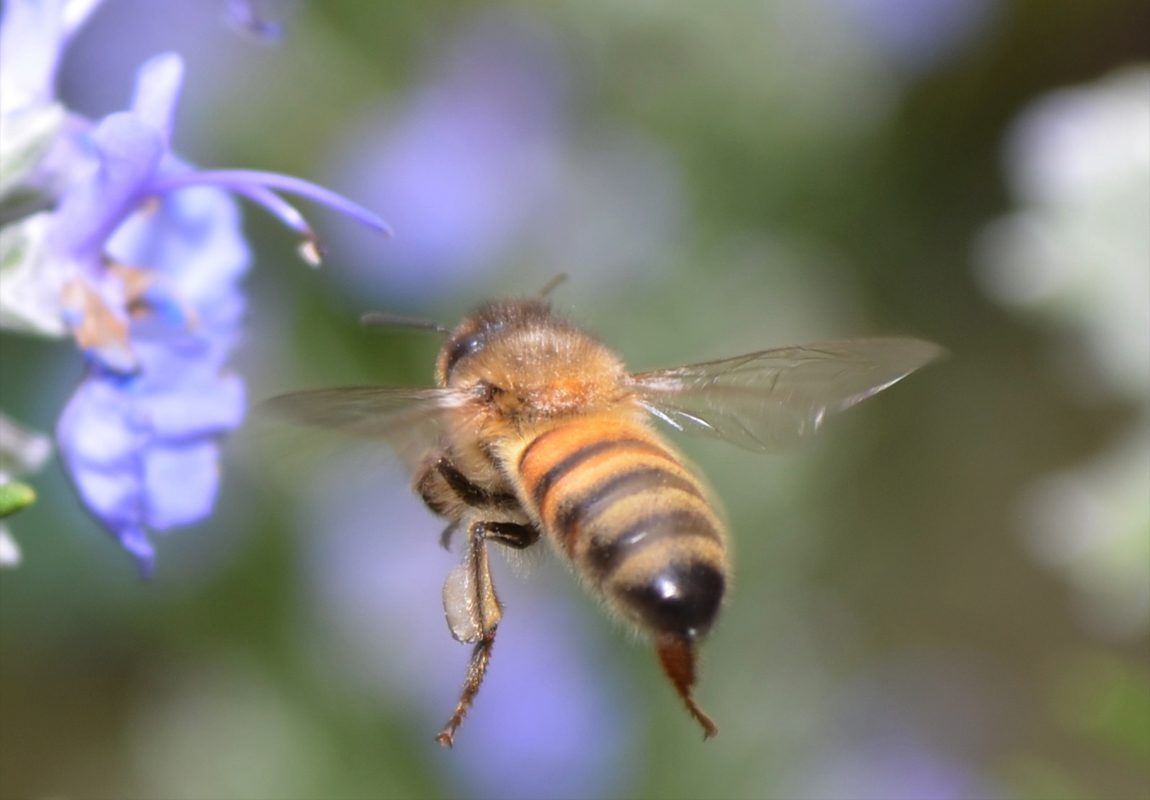
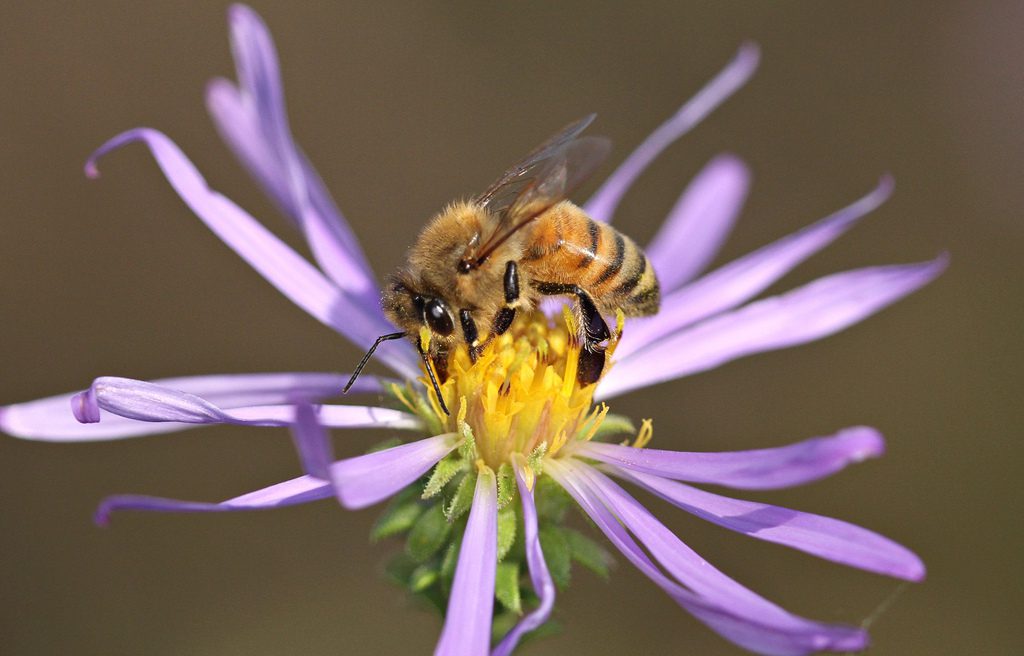
There is a good reason why more and more homeowners are interested in developing pollinator friendly gardens in their landscapes. The thousands of species of bees, butterflies, hummingbirds, and other pollinators play an integral role in helping your gardens thrive. And they are fun to watch. There are several enhancements that make your landscape more appealing to pollinators:
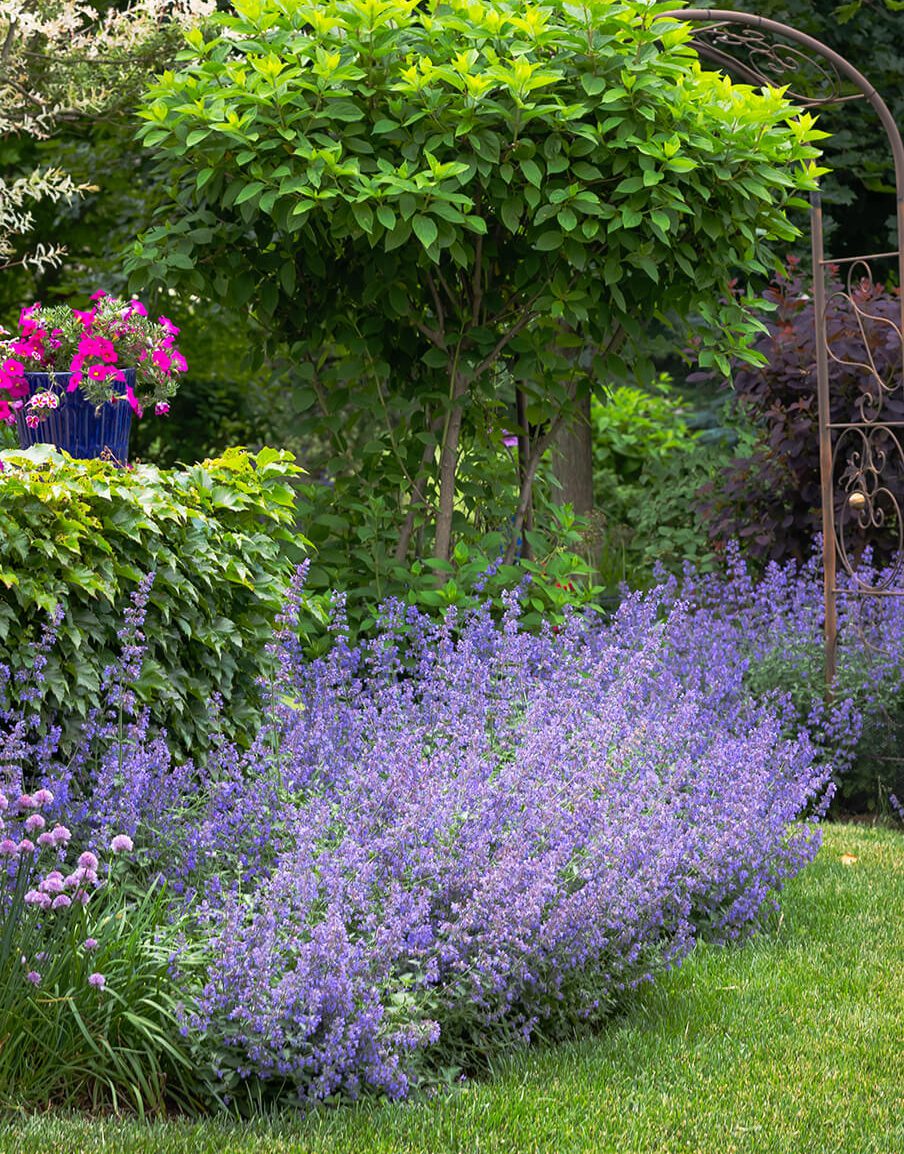
The more blooms, the more bees, butterflies, and other pollinators will be attracted to your yard. It is best to always have something flowering May through October. Select plants with varying bloom cycles, early season to late season. This will provide a constant supply of nectar and pollen for bees and butterflies.
In addition, our landscape maintenance and garden care experts highly recommend using native plants and flowers as much as possible.
What’s the difference between a conventional landscape company and one whose staff understands design, horticulture, and landscape systems? To find out, click the button below.
Besides perennial flowers, there are many flowering trees and shrubs, spring bulbs, and even some annuals that are beneficial for butterflies and bees.
Our garden managers can give you expert guidance on selecting plants that will adapt well to the conditions on your site, and make the pollinators very happy as well.
Here is a “baker’s dozen” of favored native plants that we recommend when a client expresses interest in pollinator friendly gardens:
*Note: For Northern Virginia and Maryland native plant gardens, Asclepias, Pycnanthemum, Solidago, Echinacea, and Liatris are among the highest-value plants for supporting local pollinators and other beneficial insects (that feed our songbirds, too!)
Diverse plant selections as well as strategic plant groupings is key to creating a true pollinator friendly garden.The size, shape, and color of flowers determine what types of pollinators will visit your garden.
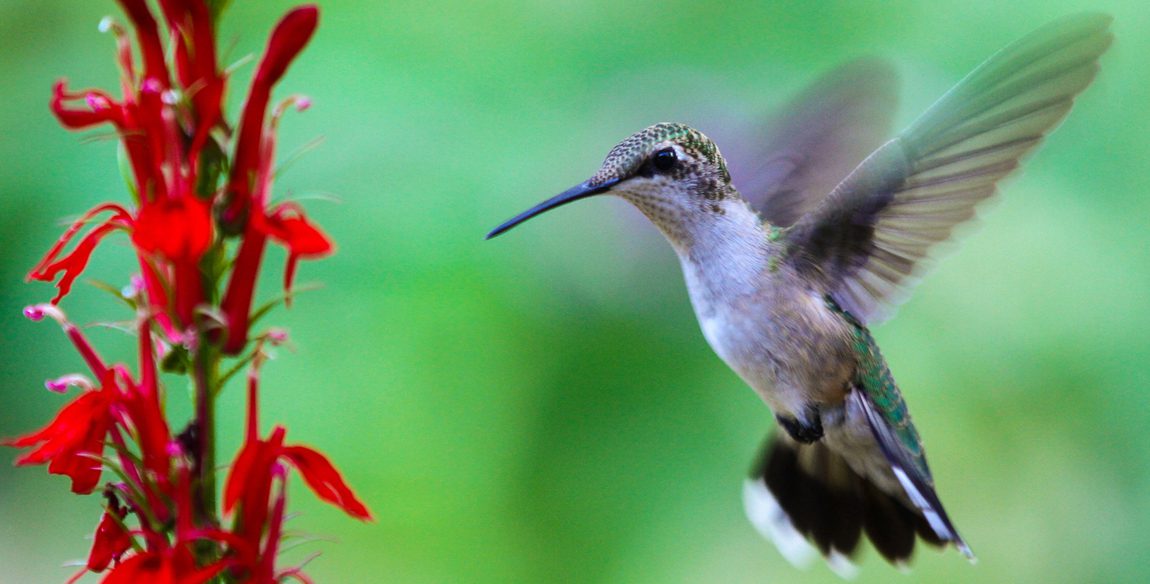
A thoughtful garden designer will specify a diverse selection of flowers because it is the best way to attract a diverse population of pollinators. For example, bees are strongly attracted to purple, yellow, and white flowers. Red flowers, not so much. However, red flowers draw butterflies and hummingbirds like a magnet.
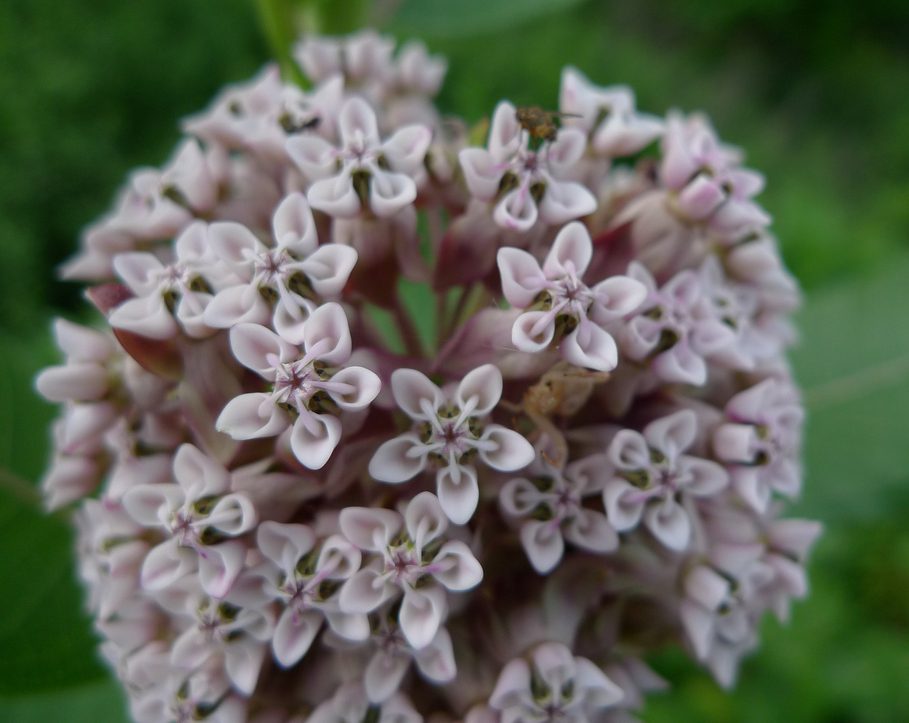
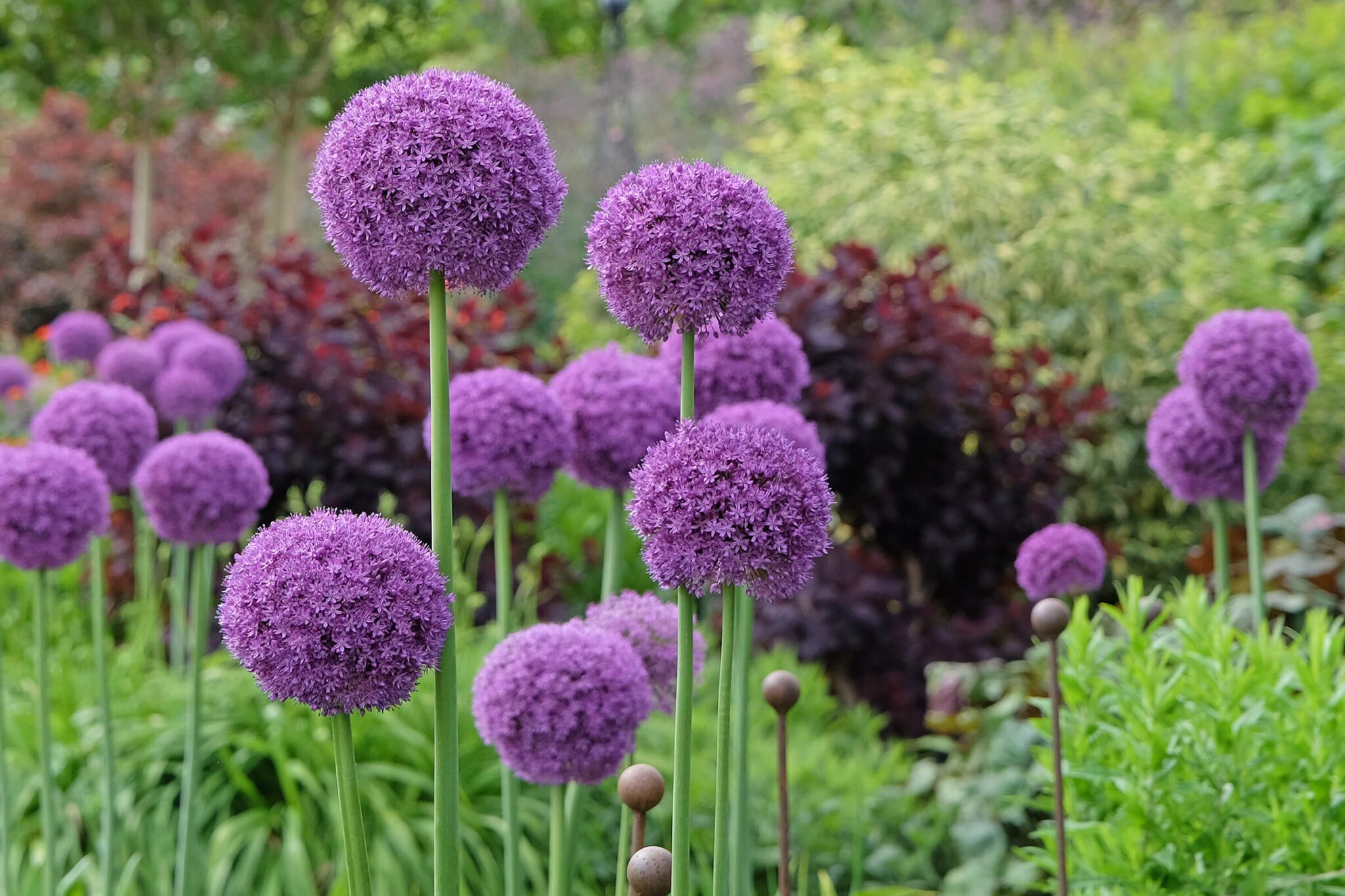
In terms of flower size, small native bees like small flowers such as yarrow or flowers composed of clusters of tiny florets such as milkweed or allium. A variety of flower shapes and sizes in the garden will feed pollinators large and small.
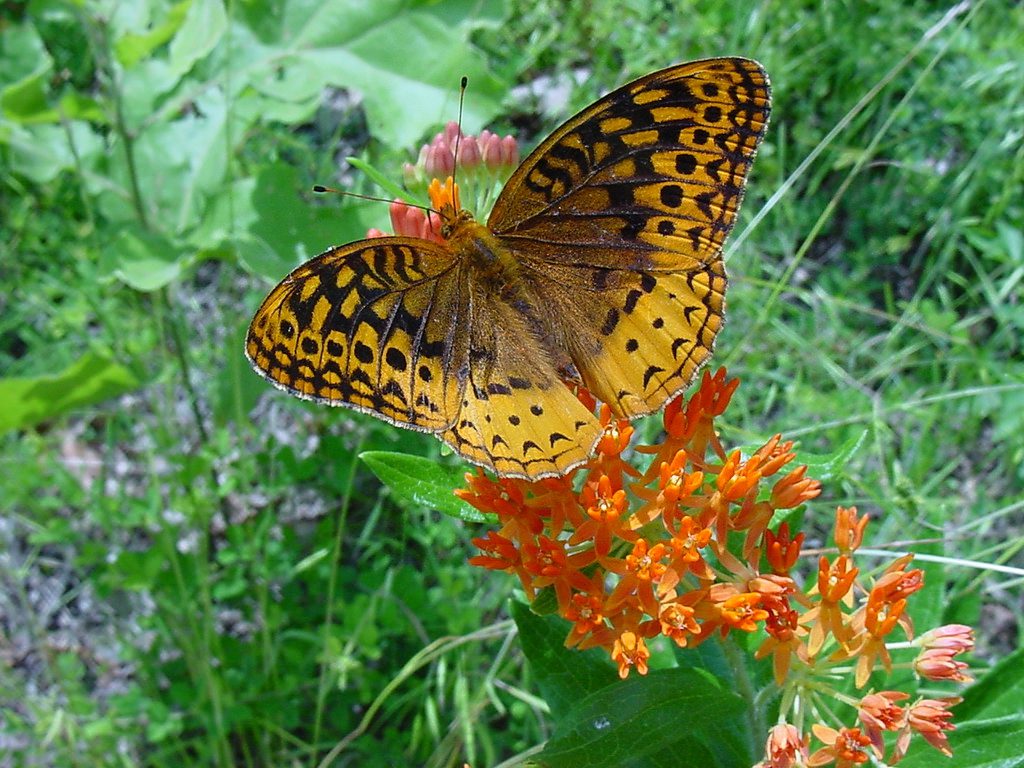
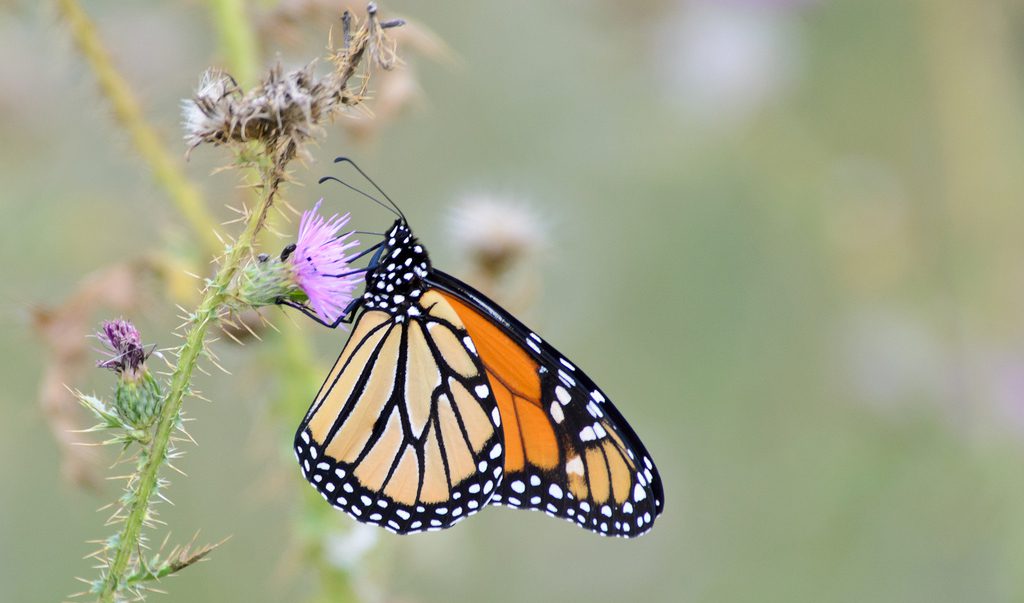
Some moths and butterflies also use garden plants to lay their eggs. In fact, the monarch butterfly will only lay its eggs on the leaves of milkweed. So including host plants such as marsh milkweed, butterfly milkweed, and lupine in your pollinator garden design helps support rare butterflies.
Most pollinators prefer the nectar from native plants. There are non-native species that work as well, but incorporating a high percentage of native plants into your landscape will make it more attractive to pollinators—as well as to birds. Planting at minimum 50% native plants in your pollinator friendly garden will make it spring to life with lots of color and activity.
We also now have cultivars of native plants that we sometimes refer to as “nativars”. These are native plants that are bred to expand color palettes, extend bloom times, or meet special size requirements for the landscaping industry.
Important Note: Whenever you purchase plants, ask if they have been treated with a systemic insecticide. This class of insecticides is also known as neonicotinoids. Unlike traditional insecticides that are applied to the plant surface, neonicotinoids are absorbed into the plant’s tissue making the whole plant toxic from its roots into the nectar. This substance is the opposite of pollinator friendly! High concentrations can be fatal to bees, butterflies, and other insect pollinators. Even reduced concentrations of the substance can interfere with bees’ ability to navigate and find food, and can suppress their immune systems making them vulnerable to parasites.
Having the food sources in your garden is one part of the habitat equation. The other is nesting sites. Most bees, for example, nest in burrows in the ground and the rest build their homes in hollowed twigs or pithy stems. So preserving areas of bare soil in sunny locations and minimizing the use of mulch will help ground-nesting bees find homes in your gardens.
If you can tolerate a slightly “messy” landscape, leaving a small brush pile or a few dead bushes around will provide habitat for your pollinating insects. If that’s too much to bear, you could instruct your garden maintenance people to wait until spring to cut back perennials. Leaving them intact over winter provides shelter for pollinators and seed for birds. Or, consider making parts of your lawn bee-friendly by replacing secondary lawn areas with perennial beds or seeding white clover in with the grass.
For more detailed information on bee & butterfly-friendly landscaping, visit Pollinator Gardens.org, a well researched and fascinating blog maintained by Annie White.
Have you been wondering how to bring out the fullest expression in your landscape and gardens? Our eBook: Choosing the Right Kind of Landscape Maintenance Firm, is full of valuable information to help you understand the fundamental differences between landscape maintenance companies.