
Featured Projects
Maximizing Outdoor Living Space in Arlington, VA
Vacationing at Home in Mclean, VA
Symmetry, Safety, and Fun in Great Falls, VA
Most garden pests like to attack plants under stress when their defenses are down. Kind of like us, when our immune system is stressed we get sick. Holistic garden care services that include regular plant health inspections are the best way to stop emerging infestations before they get out of control.
Our garden managers spend a fair amount of time every day dealing with insect pests and the damage they do to garden plants and trees. Although there are many insects that are beneficial to your landscape, there are others that would gobble it down to the last blade of grass, if left unchecked.
The good news is that most of the insects in your garden are harmless or beneficial. Just a small percentage of them are “bad” bugs–meaning bad for your garden plants.
So, it’s important to know the difference between the bugs that are beneficial and those that are not. A combination of good garden design and proactive garden pest control will generally encourage the beneficials and discourage the bad guys.
What’s the difference between a conventional landscape company and one whose staff understands design, horticulture, and landscape systems? To find out, click the button below.
For this article we are focussing on the “gangsta” bugs that terrorize the plantscape. Each type of garden pest insect has its territory and unique methods of stealing the rich green of your garden and leaving it pasty yellow, corrupt brown, sooty black or covered in warts.
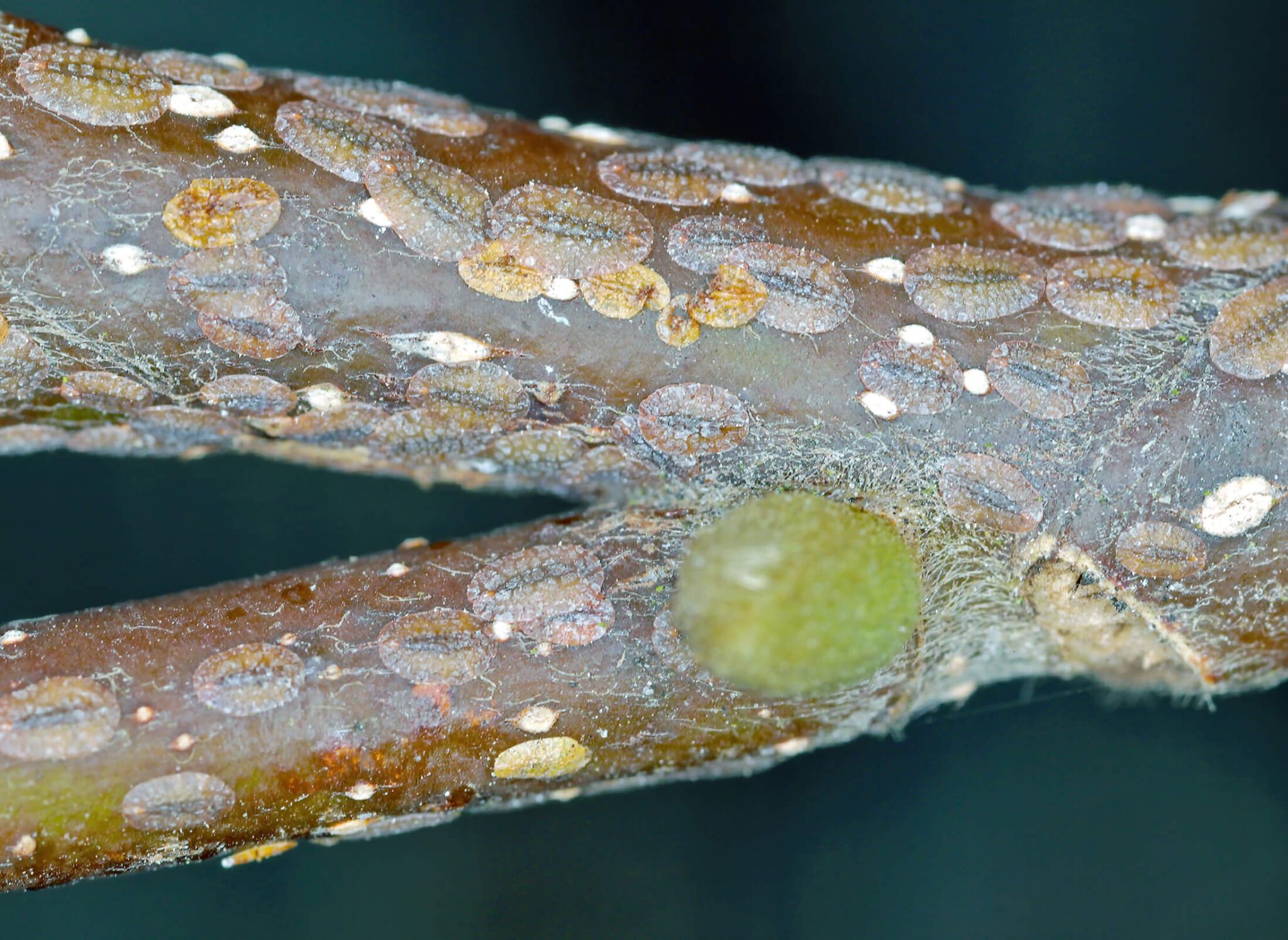
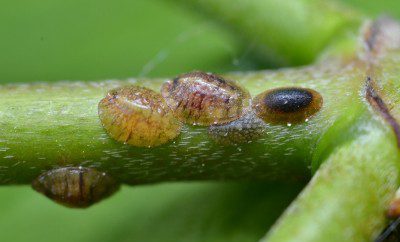
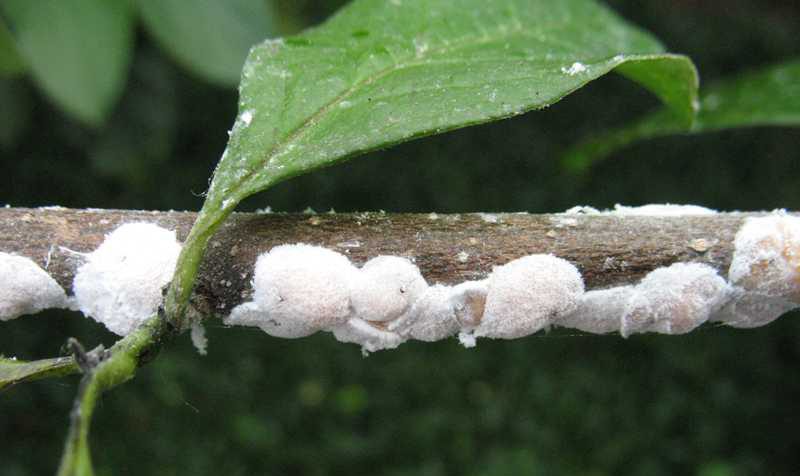
Scale is the most difficult insect pest to control and treat. The back of the scale insect acts as a shield that deflects sprayed pesticides (as well as insect predators). They keep their eggs underneath the scale. However, when the nymphs emerge from underneath that shield to feed on the host plant, that’s when they are vulnerable to pesticide. So the timing of pesticide treatment is tricky.
There are also systemic treatments. These are injected into the soil, taken up through the roots, and absorbed into the plant. So, when the scale nymph feeds on it, it kills them. It’s expensive but more effective and safe for the beneficial insects like pollinators provided it is applied well in advance of bloom time.
There are many different types that are adapted to the particular plant they like to feed on. These three are the ones we see most frequently in our Northern Virginia and Maryland gardens:
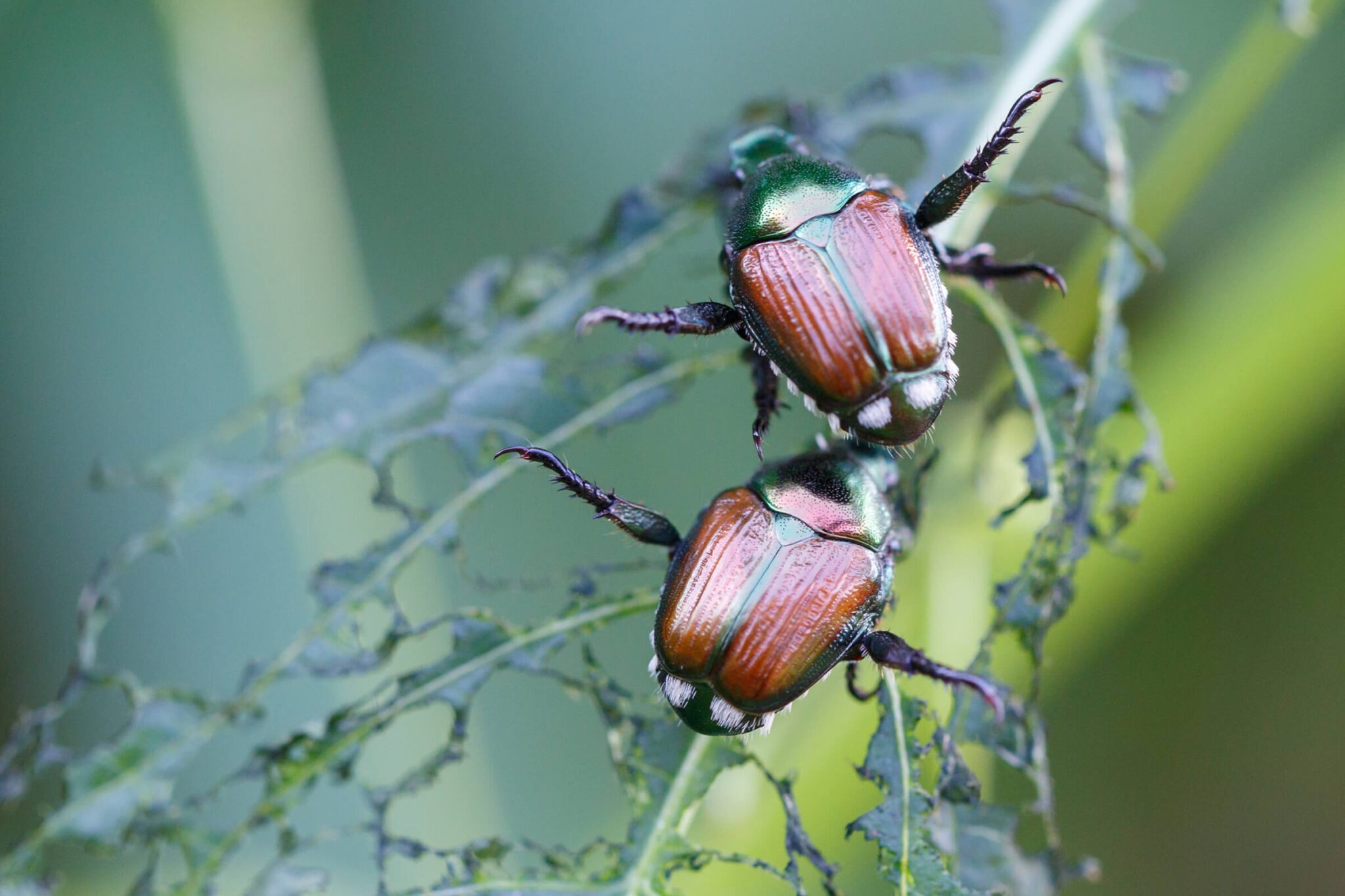
Japanese Beetles are easy to spot because of their jewel-like glossy green backs. They pack a double whammy because, in the grub stage, they eat the roots of lawn grass. When they emerge from the ground as beetles they will march straight to your roses if you have any. They will defoliate and destroy a rose plant in a couple of days. These are difficult to control because, even if you kill all the grubs in your yard, beetles may emerge in your neighbor’s yard and migrate over.
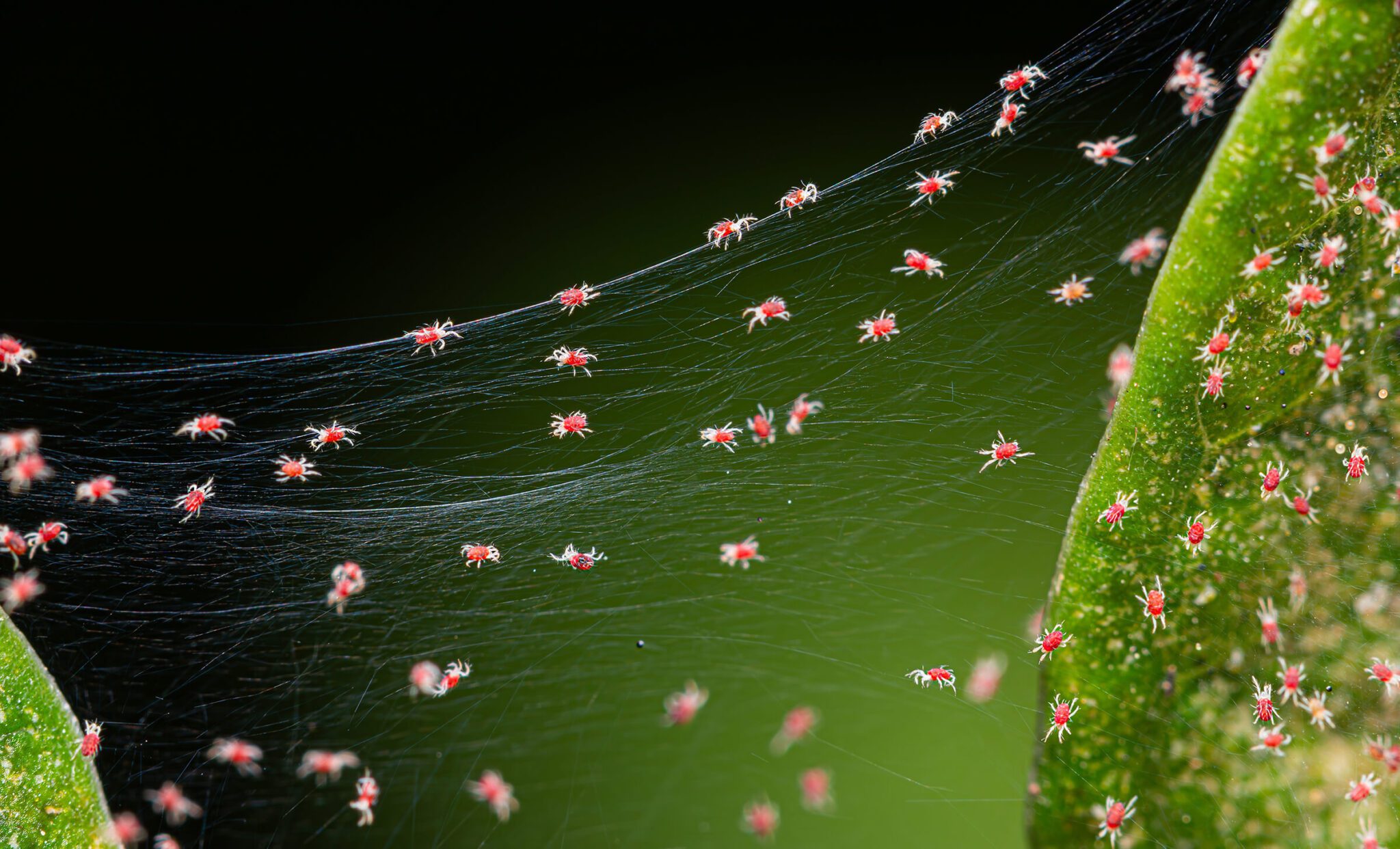
Spider Mites prefer evergreen needles, but will eat pretty much anything. They especially like plants that are under drought stress. The mites are too small to see; but the damage they do is easy to see. You will observe stippling or dotting all over a leaf. The leaf color will be a lighter green or yellow. If you aren’t sure you’ve got mites there is an easy way to check: Shake the branch where you think they are and hold a sheet of paper underneath, they will sprinkle onto the paper.
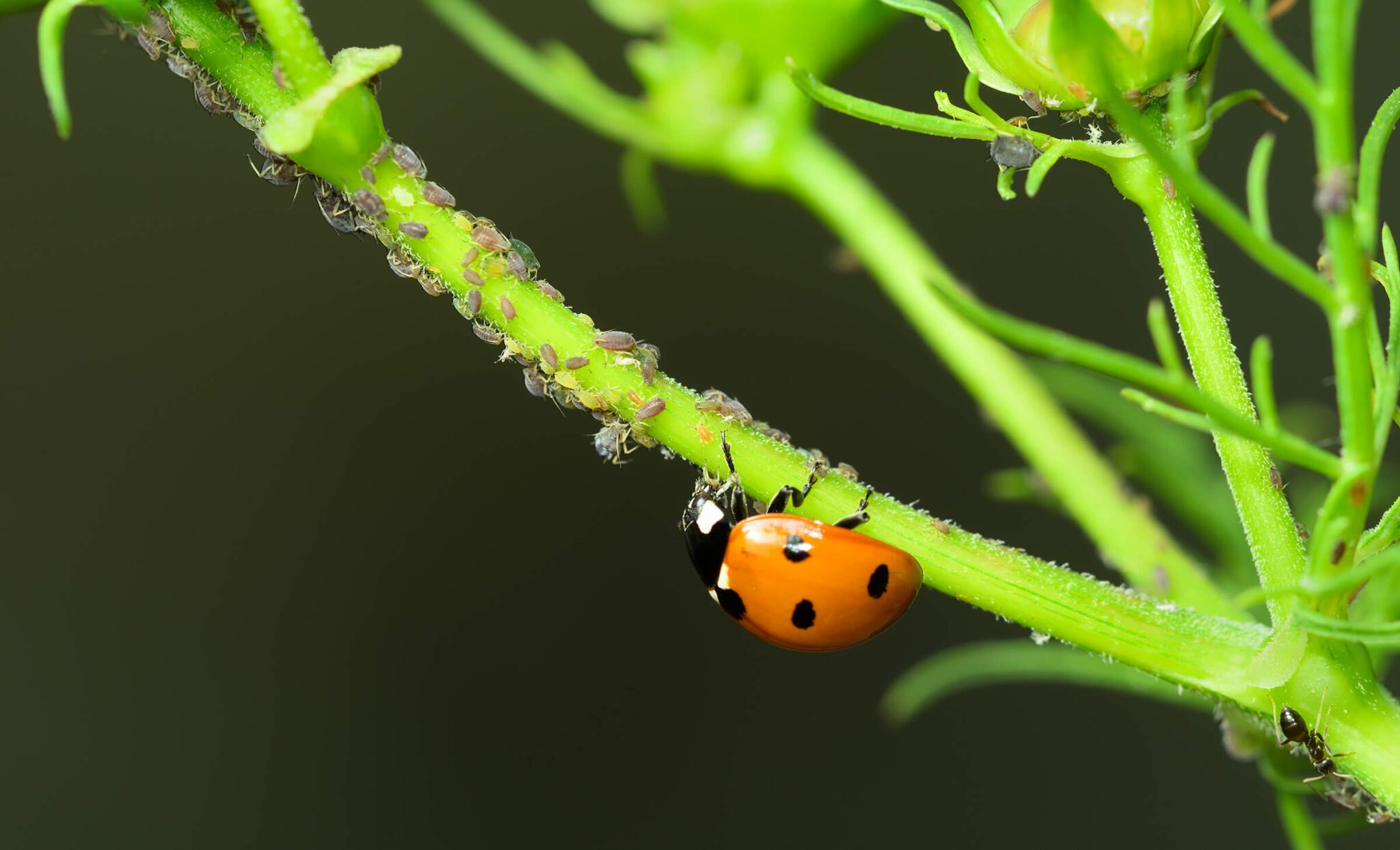
If you have Crape Myrtles, you are going to have to deal with aphids. You will see the bark turning black. Or you will see black on the leaves. That is a sign that you have an aphid infestation.
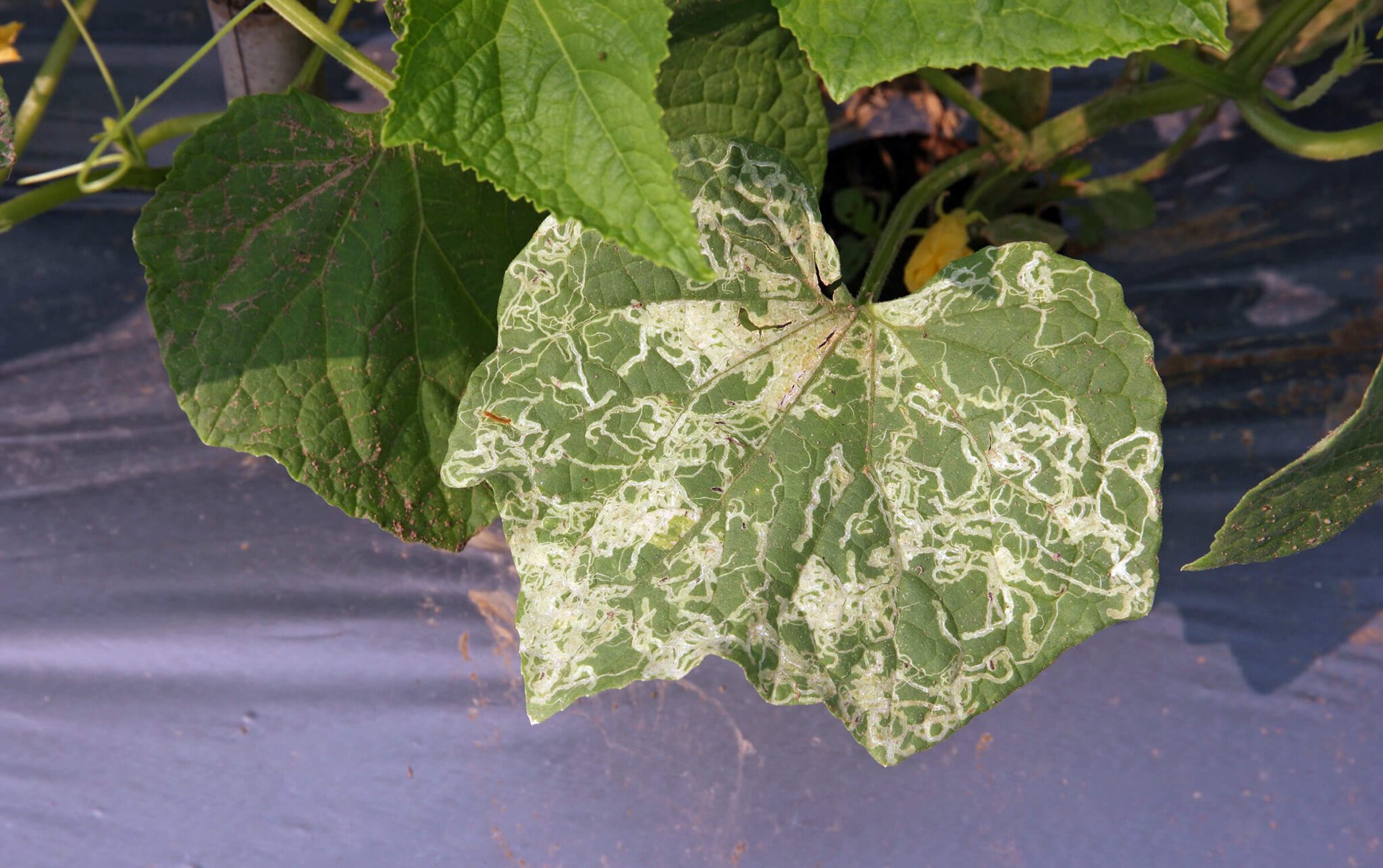
Leaf Miners are the offspring of non-descript colorless flies that “mine” the foliage of trees, shrubs, and herbaceous perennials. The parent insects bore into leaf tissue to lay their eggs. When the eggs hatch, the larvae tunnel through the interior of the leaves sucking out the nutrients. That’s when you see distinctive tattoo-like squiggles and patterns on the leaves that eventually curl or turn brown.
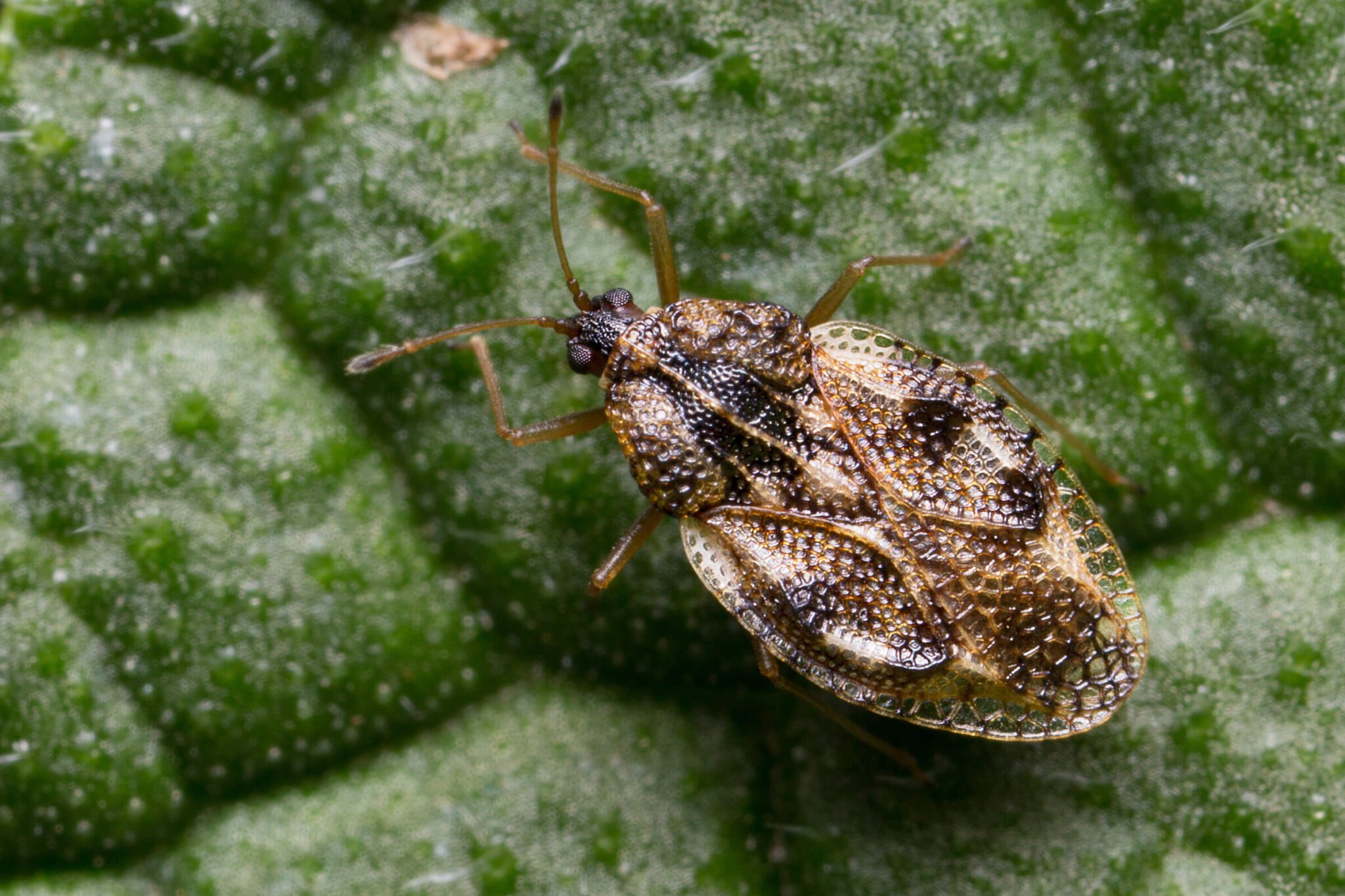
If your azaleas, rhododendrons and other shade plants are stressed from getting too much sun, lacebugs will trash them. The Lacebug attaches to the underside of leaves and sucks out the chlorophyll. You will see stippling and tiny white spots on the leaves as the lacebugs make progress. Eventually, the leaves will turn yellow.
Well, you can’t keep all the bad bugs out, but you can design and maintain a garden that encourages beneficial insects to stick around. There are three components to achieving this:
Most garden pests are specialists. They’ve adapted to a particular climate and type of tree or plant—using them for food and shelter. When selecting plants and trees for your garden, your garden care team is the best source of advice on potential insect pest issues that may come with a given plant. They are also best prepared to develop a proactive pest management plan to protect your specialty plants.
Practical garden pest control is a simple matter of understanding your vulnerabilities and being prepared to keep pest insects from gaining the upper hand. It’s also important to understand that a healthy insect population requires a balance between the insect pests and the many other insects that feed on the pests to the benefit of your garden plants and trees.
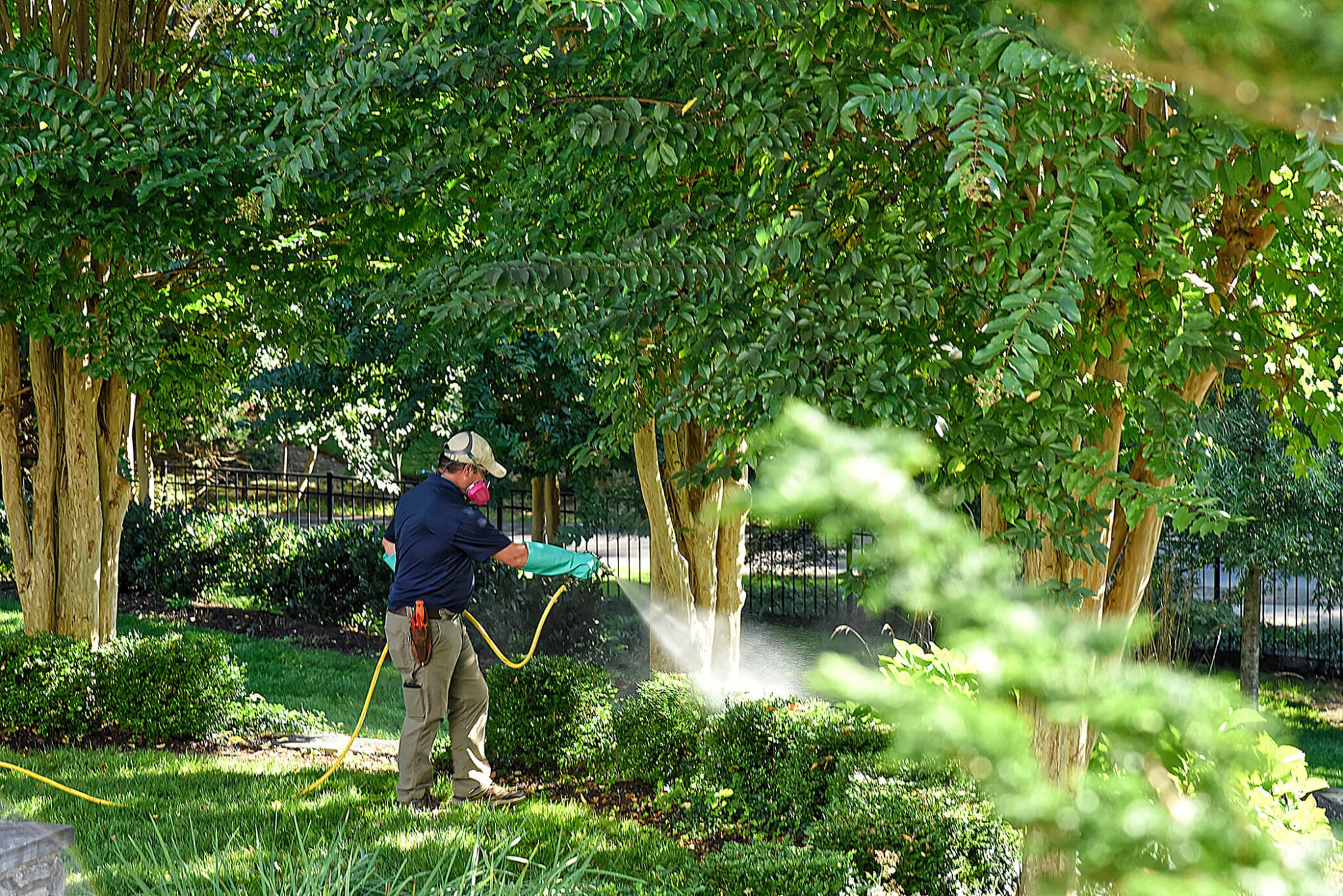
Employing a landscape maintenance firm with garden care specialists that know what to look for and and when, is the best way to protect your garden and keep healthy. If you would like to get a health check on your garden, give our garden management division a call. We’d be glad to take a walk through your garden and give our recommendations.
Northern Virginia lawns and gardens are commonly affected by Japanese beetles, aphids, spider mites, scale insects, borers, leaf miners, lacebugs, and mealybugs. Each pest emerges every season at roughly the same time and targets specific plants. And some trees and shrubs popular in landscaping are more vulnerable to pest or disease problems. That’s why regular landscape maintenance with inspections by garden care experts is essential for protecting your landscape.
Thoughtful garden design is one of the best defenses against insect pests. A diverse landscape with a variety of plants—especially native species—creates habitat for beneficial insects that naturally prey on damaging pests. Healthy soil and plants that are well suited to the conditions in your yard make them less vulnerable to insect infestations in the first place.
The most effective approach is Integrated Pest Management (IPM), which emphasizes healthy soil, proper plant selection, routine monitoring, and targeted treatments only when necessary. This strategy helps protect pollinators and other beneficial insects while reducing damage from destructive pests.
Plants growing in healthy soil with adequate water and proper care are naturally more resistant to insect attacks. Stress from drought, poor soil, or improper growing conditions weakens plants and makes them more attractive to damaging garden pests.
Yes. Horticulturally trained garden care specialists can identify pest problems before they spread. They can recommend the most effective treatments and develop a proactive maintenance plan that protects valuable trees, shrubs, and perennial gardens throughout the growing season.
Surrounds is a combined landscape architecture, construction, and landscape maintenance firm. We build what we design and provide ongoing garden care for landscapes we’ve built. Our landscape architects know construction. Our construction and landscape maintenance experts understand design. We believe our all-in-one approach best serves Northern Virginia homeowners because it supports clear communication, creative collaboration, and procedural efficiencies that significantly benefit you, our client.