
Five Garden Plant Diseases: What they look like and what they do to your plants
Of the many types of garden plant diseases, Surrounds garden care specialists say these five are the ones they see most frequently in our Maryland and Northern Virginia gardens:
- Sooty Mold
- Powdery Mildew
- Anthracnose
- Cankar
- Needle Cast
Truth is, if you’ve chosen a company to perform scheduled garden care and landscape maintenance programs, you aren’t likely to see these plant diseases take hold of your shrubs or ornamental trees. But, a basic understanding of what these diseases look like and which plants they attack may enable you to alert your neighbor to an issue some day. And that is important because, if your neighbor’s garden has issues, it usually doesn’t take long for them to migrate over to your yard.
1 Sooty Mold
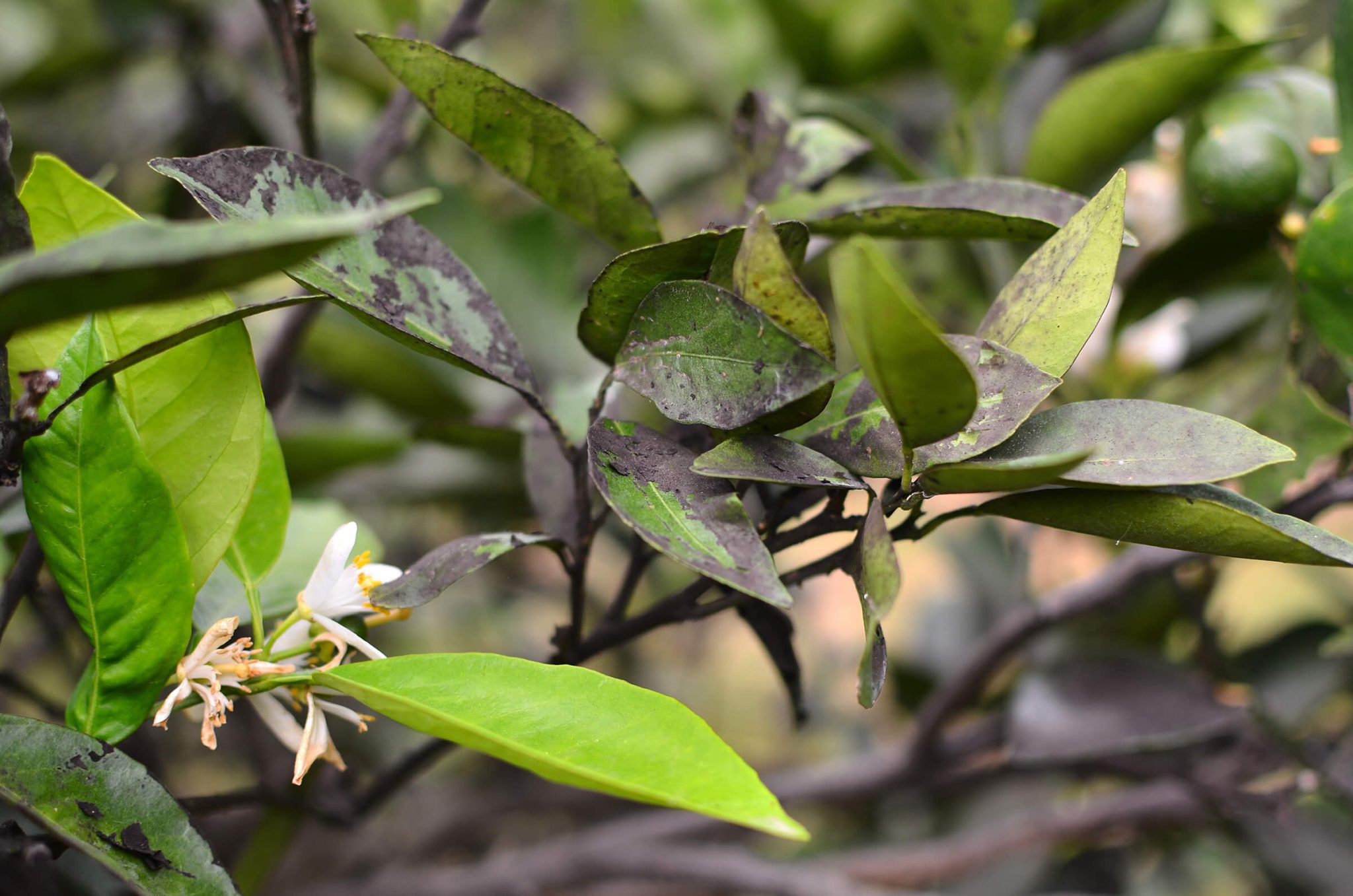
Sooty Mold collects on camellias and other leafy plants. Unlike certain pest insects, it doesn’t feed directly on the plant. Like many plant diseases, sooty mold is a fungus. It feeds on the excretions of sucking insects that eat the plant. For example, scale bugs and aphids excrete sugars called honeydew.
The sooty mold spores grow on those excretions. If allowed to propagate freely, a black coating of mold can potentially interfere with the plant’s ability to breathe and photosynthesize sunlight.
To prevent sooty mold on ornamental trees and shrubs:
- Maintain a garden that attracts beneficial insects like ladybugs that eat pest insects like aphids.
- Schedule early season application (well before bloom time) of systemic insecticide. The material is injected into the ground, taken up by the roots, and distributed throughout the plant. When the insect larvae eat it, they die.
2 Powdery Mildew
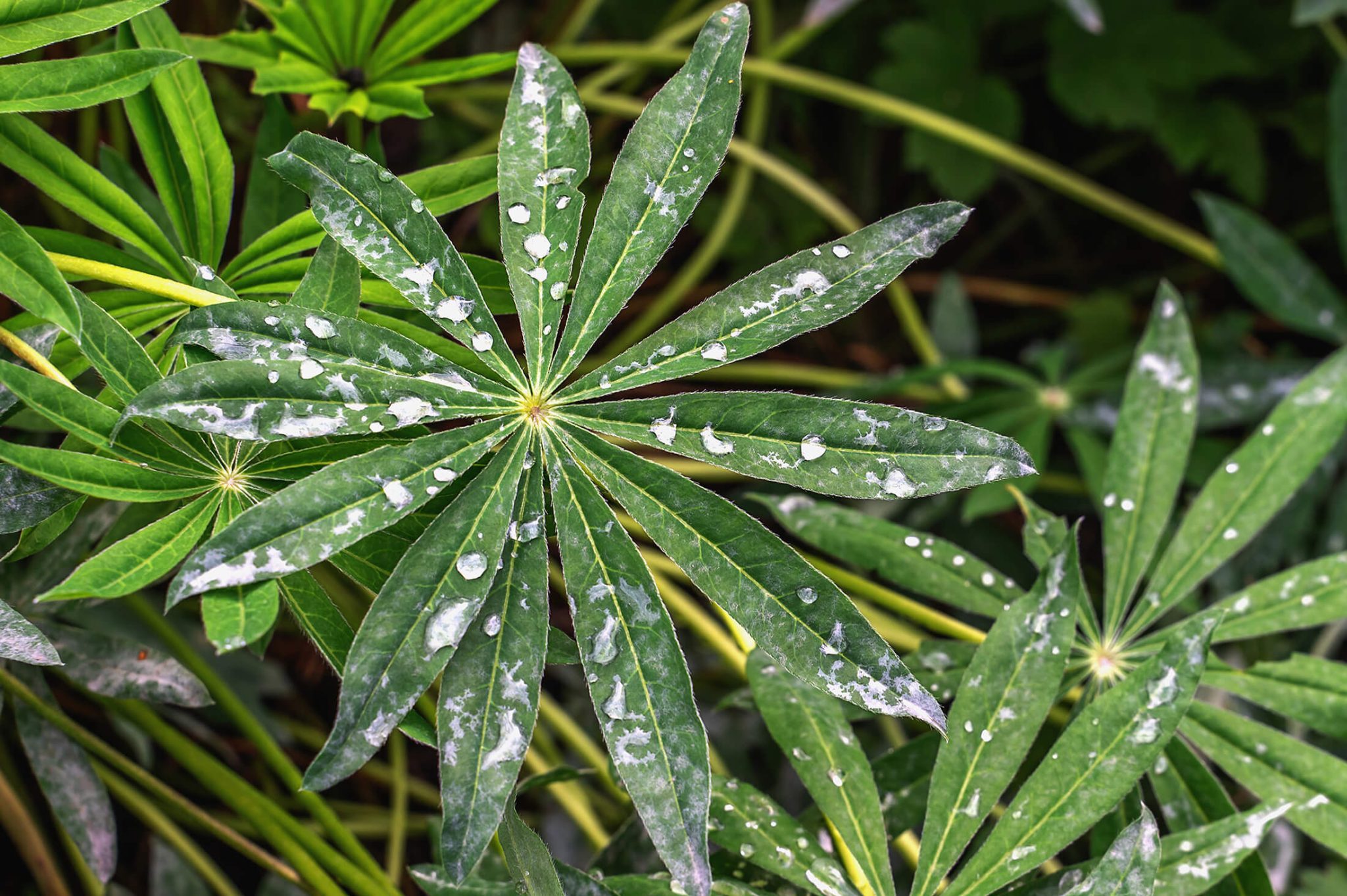
Powdery mildew is another type of fungus that thoroughly enjoys our humid Maryland and Virginia climate—particularly during a dry spell accompanied by moderate (below 90-degrees) temperatures and high relative humidity. That’s because powdery mildew requires a dry leaf surface to form.
There are multiple types of powdery mildew and each one favors a particular species of plant. So, if your lilacs are affected, that mildew will stay put and not spread to your peonies or other species.
The fungus won’t kill a plant unless you allow it to progress for several years without treating it. In that case, it would gradually interfere with growth, distort plant shape and cause leaves to drop prematurely.
Typical causes of sooty mold are:
- Weather. A moderate summer that combines low precipitation and high humidity
- Crowding. Too many plants too close together—or overgrown plants will trap moisture and impede air circulation.
To prevent powdery mildew on shrubs and hedging plants:
A hand pruning technique called “punch” pruning increases air circulation and allows light into the interior of shrubs. This creates an environment that is less hospitable to this plant disease.
Unlock the full potential of your lawn and gardens!
What’s the difference between a conventional landscape company and one whose staff understands design, horticulture, and landscape systems? To find out, click the button below.
3 Anthracnose
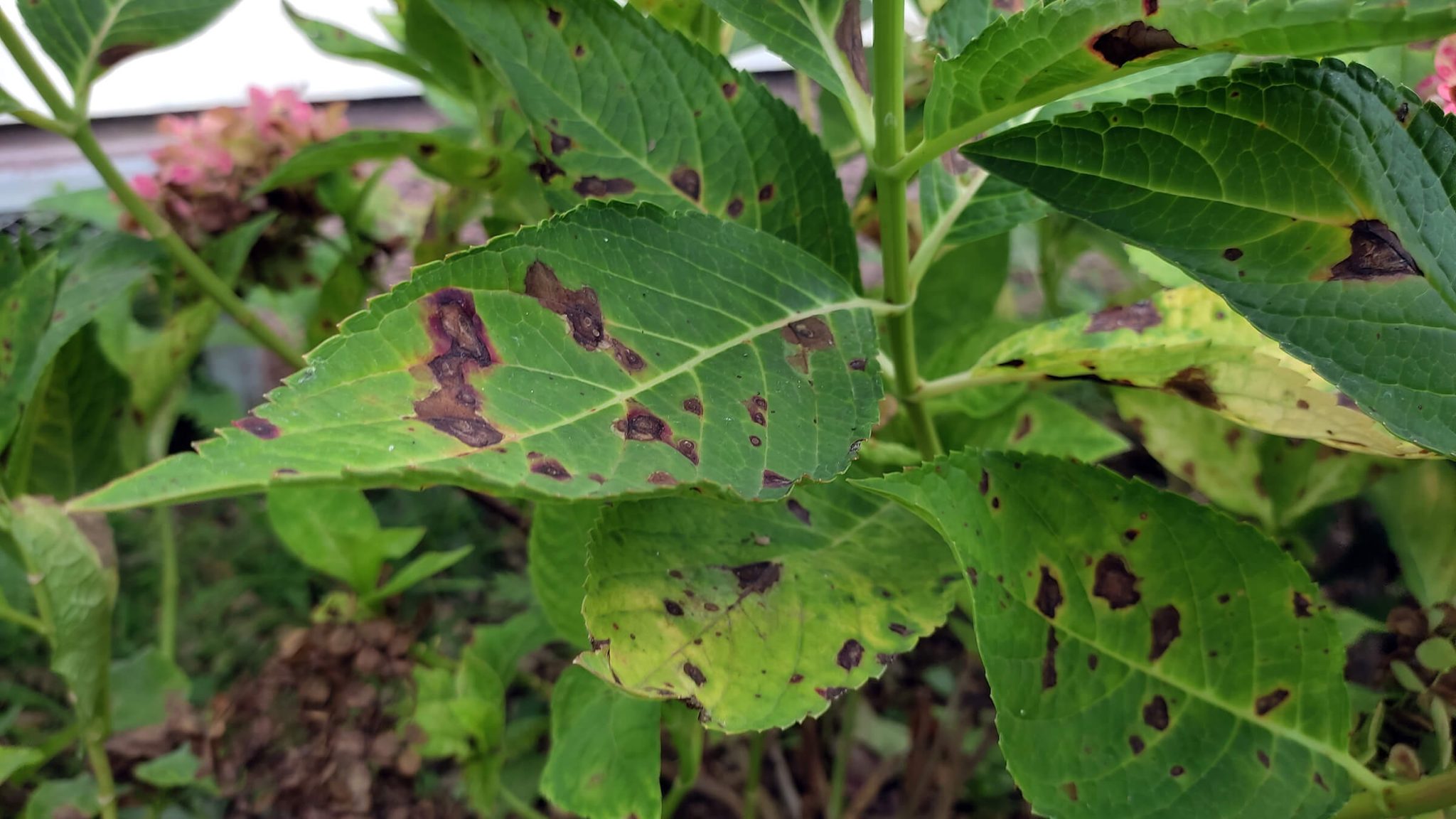
Anthracnose is a fungus that attacks any tree, but causes serious problems for our native (Cornus Florida) dogwoods. It interferes with the vascular system of the tree.
If left untreated for several years, entire branches will start to die off. Bark will peel back. There will be black spots on leaves and reddish colored blotches on fall foliage. And the tree will begin to drop its leaves early.
To prevent anthracnose:
Schedule early season fungicidal treatments precisely timed to the conditions that allow the plant disease to develop.
4 Canker
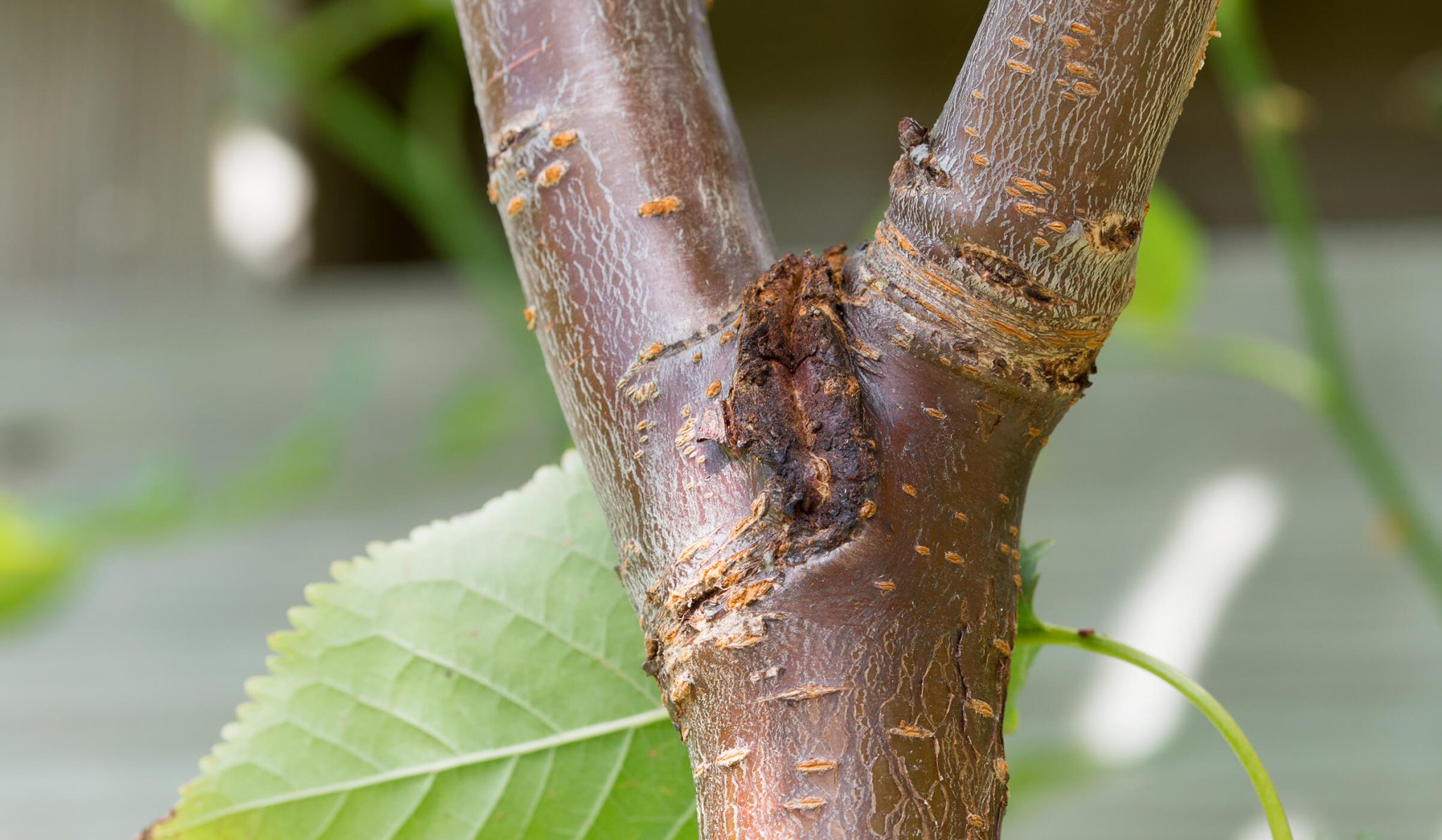
Canker is a plant disease caused by fungus or bacterial intrusions. This usually presents as oozing lesions on the trunk of the tree or shrub. This is usually followed by dieback of branches.
Fungus or bacteria get into the tree when there is a cut or split in the bark, or by the hole left by a boring beetle. Canker is different from a gall (a knobby bulge) that a tree produces to surround an intruder and pull it away from the vascular system.
To prevent canker on ornamental trees:
Schedule regular pruning to remove dead material and maintain proper watering and fertilization to prevent stress on the tree. There is no cure for cankars once they appear.
5 Needle Cast
Needle cast is a plant disease that causes big problems here in Virginia because of the humidity. It is a fungus that comes up through the ground and reproduces when water hits it. When a raindrop hits the fungus, it explodes sending spores spraying upward onto the lowest tier of tree limbs. So the dieback of limbs moves from the bottom and upward.
Almost everyone wants a blue spruce in their yard because they are beautiful and add color to a winter landscape. But Blue Spruce is especially susceptible to needle cast because its natural habitat would be a dry climate with rocky, well-drained soil.
In Northern Virginia it’s humid and the soil is mostly clay. So this is a situation in which some plant disease problems are tied to our aesthetic choices. We want a particular plant or tree in our garden because of its beauty. But that plant or tree may not be suited to the environment.
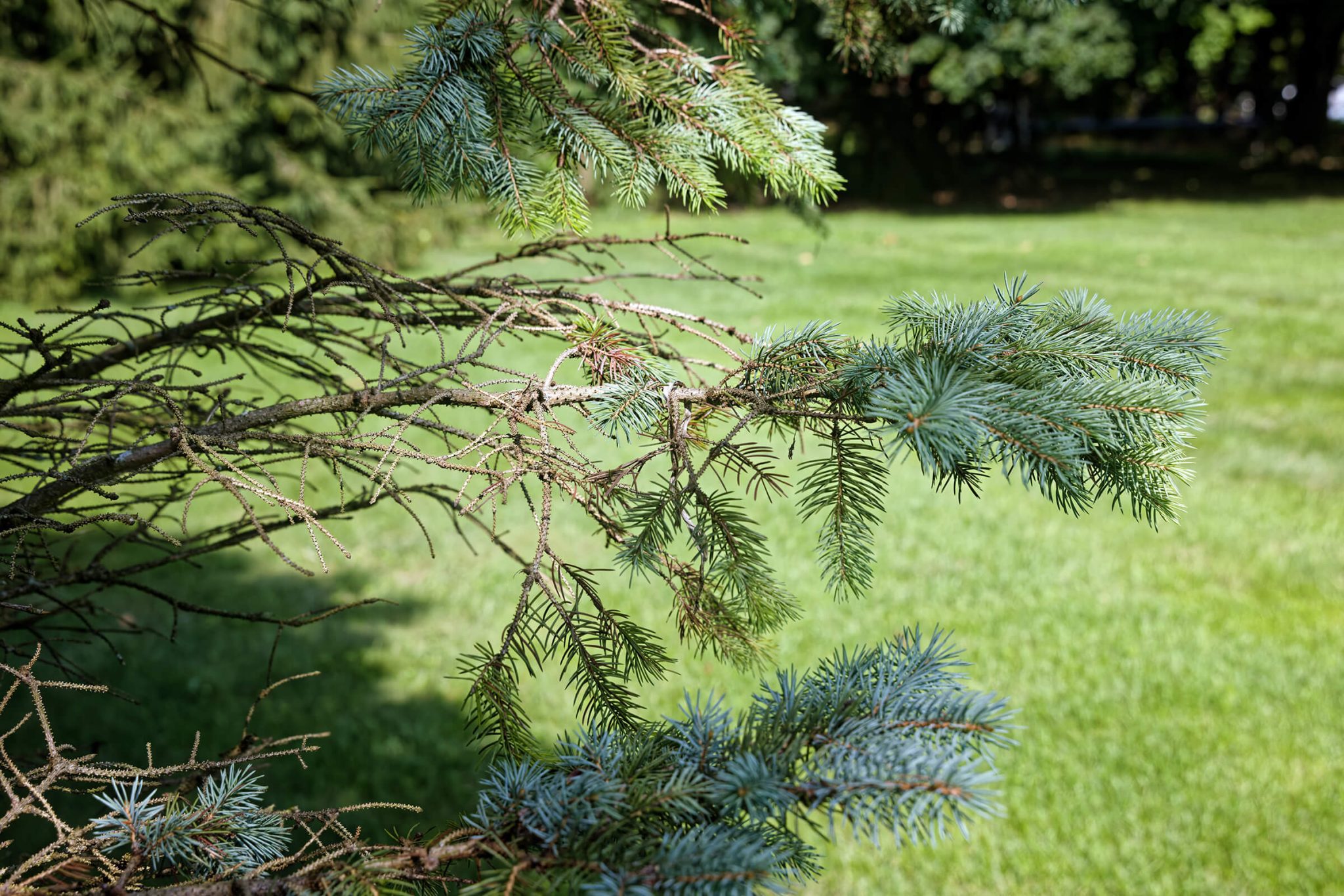
To prevent needle cast:
Since the natural environment for a spruce tree is more dry than our Northern Virginia environment it is critical that these trees not be over watered. And they should never be subject to overhead spray irrigation because you want to keep the branches dry. Also, keep the surrounding area trimmed and free of moisture collecting plants.
Are Specialty Plants Worth the Risk?
Our garden managers will tell you that any non-native specialty plant or ornamental tree is going to require regular care and attention to prevent plant diseases from developing. And, we aren’t convinced that it is always worth the risk to invest in a vulnerable species like blue spruce because they are so expensive.
On the other hand, there are benefits and drawbacks to just about anything you plant. And sometimes you get lucky because pests that might prey on a tree or plant in their native environment may not be present in the non-native setting.
Prevention Is the Best Cure
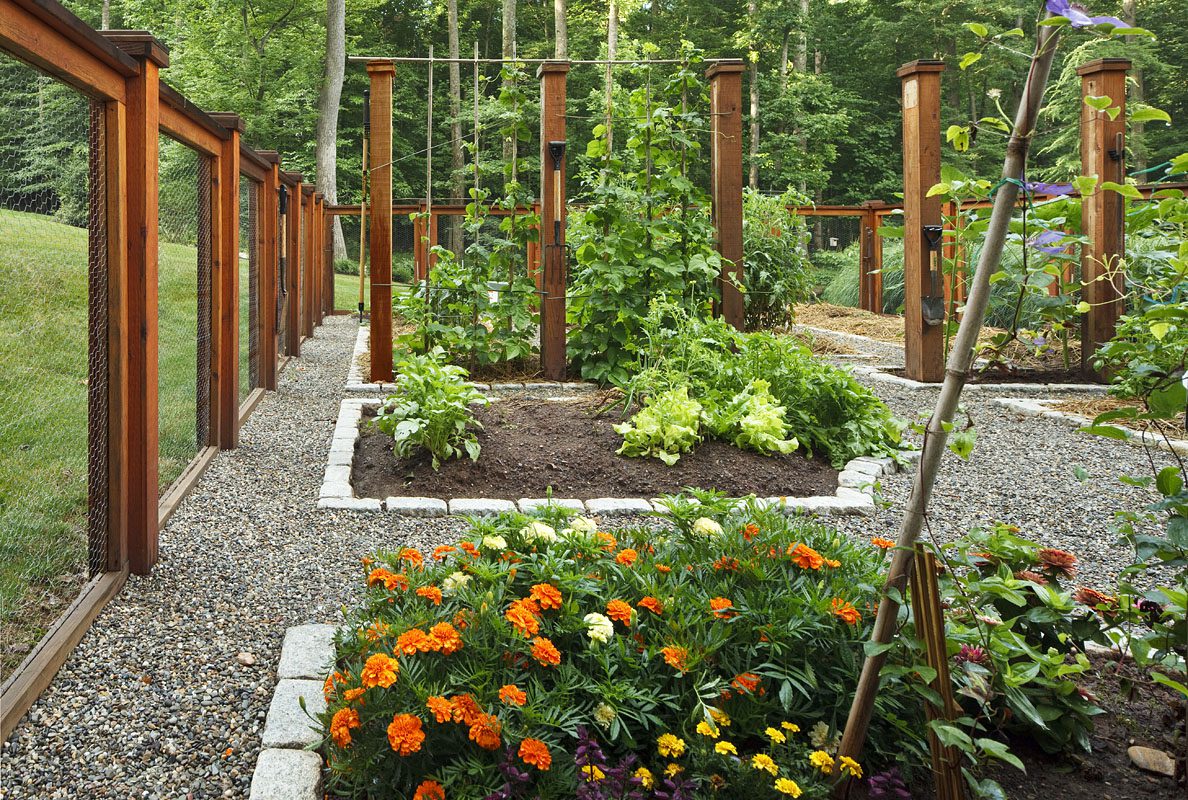
- Knowledge. Research your plant selections carefully so you understand their needs. Be sure that the soil composition and moisture is right for the plants you choose because plants under stress (too dry, too wet) are susceptible to disease and insect infestation.
- Breathing room. Maintain proper spacing between plants. Sometimes gardeners may try to put too many plants in one place because it gives an instant look of fullness. But it cuts down on air circulation. The plants basically smother each other.
- Source. Purchase plants from a reliable grower. Otherwise, you could get diseased plants from the nursery.
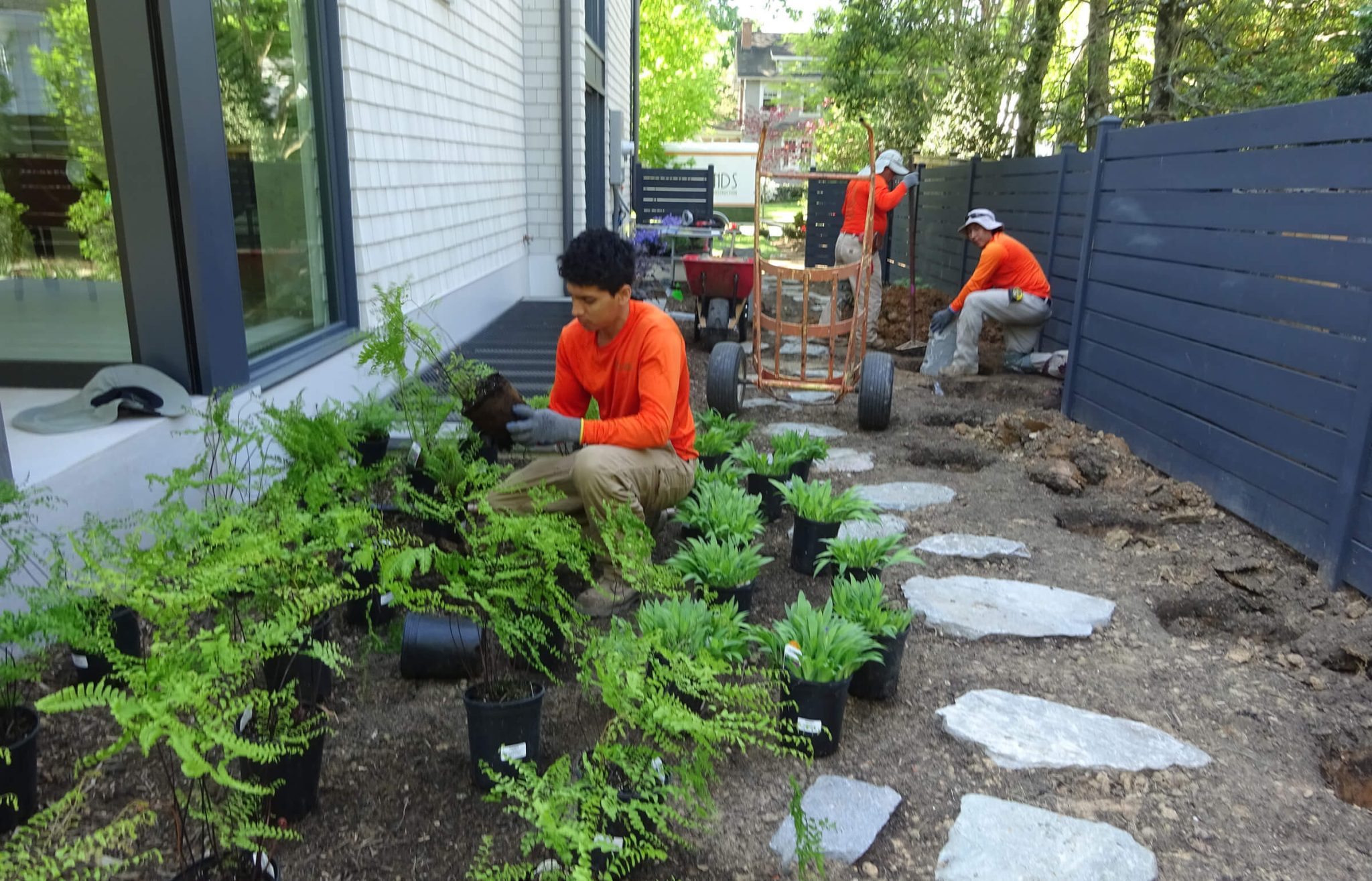
- Scheduled maintenance. Invest in a comprehensive garden care and landscape maintenance program that includes integrated pest management (IPM).
If you’d like to understand more about diseases that may occur in your landscape, the Missouri Botanical Garden has an extensive directory of garden plant diseases.
Choosing Disease Resistant Garden Plants
When recommending non-native landscape plants to clients we actively look for varieties that are hardy, resilient and largely resistant to plant disease and pest problems.
Here is a short list of popular landscape plants that tend to have few problems.
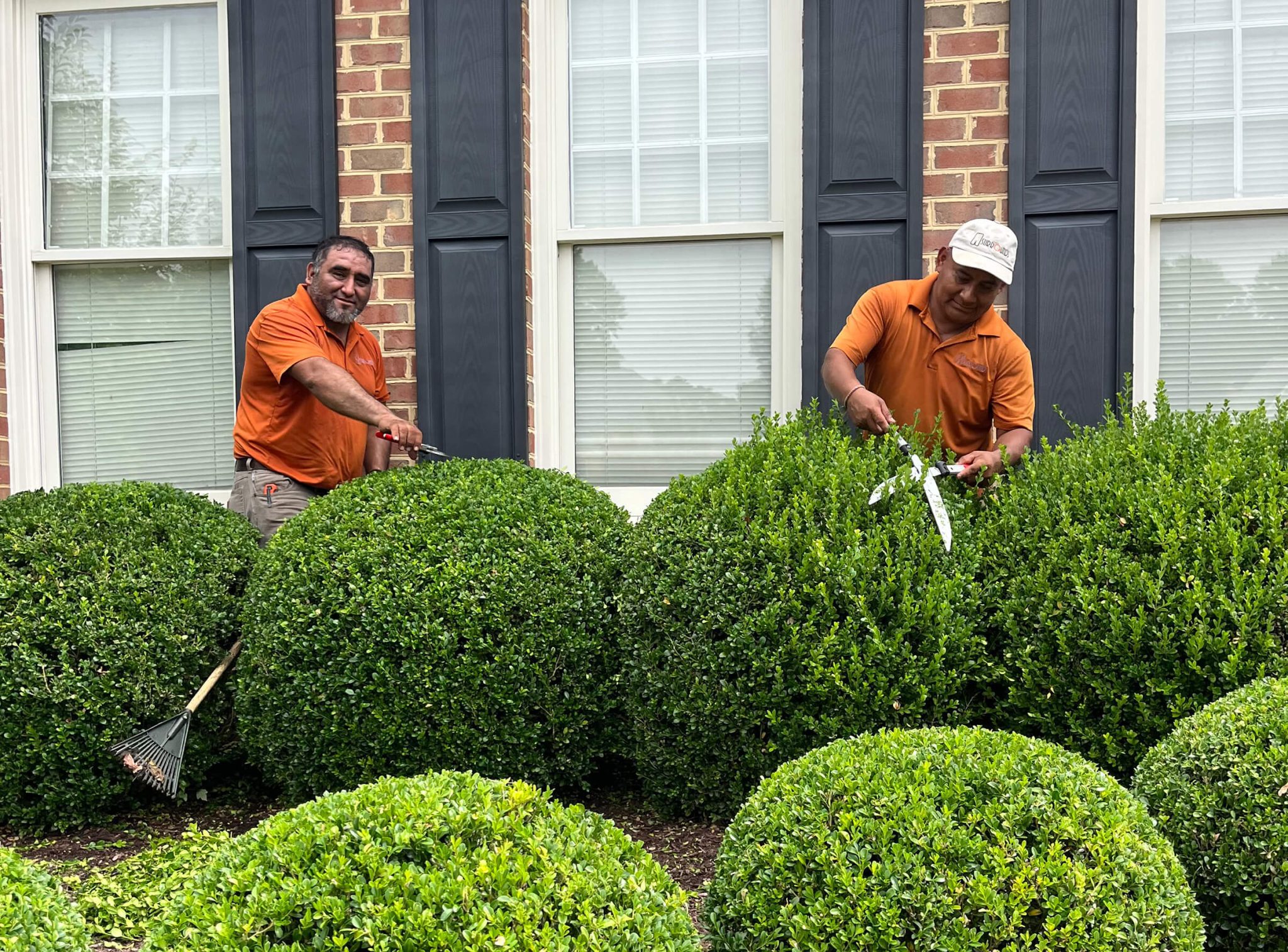
- Green Velvet Boxwoods are beautiful and rarely have pest problems
- Spirea Japonica is very tough and has almost no problems.
- Viburnum comes in many varieties and most have no pest problems. “Chinese Snowball Bush” is a popular viburnum variety.
- Hydrangeas—especially the “Endless Summer” variety is very adaptable and aside from deer, they tend to be problem-free.
- A variety of Calacarpa called “Beauty Berry Bush” is disease resistant.
A Balanced Garden Design Makes Healthy Plants
In terms of coming up with a balanced planting plan, it is wise to rely on some typically “low maintenance” species and native plants to fill in amongst the show-stopping beauties that require (and deserve) high maintenance.
If you want advice about adding flowering trees or specialty plants to your landscape or have questions about garden plant diseases, contact our Garden Management Division. One of our certified horticulturists will be happy to answer your questions.
Perhaps you are wondering how to bring out the fullest expression in your landscape and gardens. Our eBook: Choosing the Right Kind of Landscape Maintenance Firm, is full of valuable information to help you understand the fundamental differences between landscape maintenance companies.
Northern Virginia Plant Diseases Frequently Asked Questions
1. What are the most common garden plant diseases in Northern Virginia?
The five diseases most often seen in Northern Virginia gardens are sooty mold, powdery mildew, anthracnose, canker, and needle cast. Each affects different plants and requires a different prevention strategy.
2. Can garden plant diseases be prevented?
Yes. Proper plant selection, correct spacing, regular pruning, good air circulation, and a professional garden care program can significantly reduce the risk of disease.
3. Why do plant diseases spread more easily in Northern Virginia?
Northern Virginia’s humid climate, clay soils, and periods of warm, damp weather create ideal conditions for many fungal diseases to develop and spread.
4. Are some landscape plants naturally more resistant to disease?
Yes. Plants such as Green Velvet boxwood, spirea, many viburnums, Endless Summer hydrangeas, and beautyberry are generally more resistant to common diseases and pests.
5. Are non-native plants more susceptible to disease in Northern Virginia?
Often, yes. Many non-native ornamental plants thrive in climates that are very different from Northern Virginia’s humid conditions. Choosing disease-resistant varieties that are well-suited to the local environment can reduce maintenance needs and improve long-term plant health.
About Surrounds Landscape Architecture & Construction
Surrounds is a combined landscape architecture, construction, and landscape maintenance firm. We build what we design and provide ongoing garden care for landscapes we’ve built. Our landscape architects
know construction. Our construction and landscape maintenance experts
understand design. We believe our all-in-one approach best serves Northern Virginia homeowners because it supports clear communication, creative collaboration, and procedural efficiencies that significantly benefit you, our client.