
 Why do we see so many weeds around our property? We have a big problem with weeds invading our lawn. No matter what we do, they come back. How can we stop weeds from choking out our grass?
If you long for a lush lawn that the neighbors will admire, you’re certainly not alone. But if you haven’t invested in a consistent lawn care program, you will soon find that weeds like crabgrass and dandelions thrive on neglect, marring your yard’s appearance and making the whole property seem less polished.
Proactive Lawn Care – The Best Weed Control Method
There’s no doubt about it: Weeds are frustrating, but getting rid of them is certainly not impossible. If you’re struggling with unwanted guests amid your turf grass, your lawn may benefit from a customized lawn care plan. A landscape maintenance company that offers high-end lawn care services can help you determine whether your lawn is being treated effectively and proactively.
The best way to control weeds is to have a healthy lawn that prevents them from growing in the first place – but how do you get to that point, especially if weeds are consistently limiting your turf’s true potential? It’s time to stop dreaming about that sea of flawless green grass and start taking steps to make it happen.
Here are a few preventive measures to consider.
Apply Pre-Emergent Treatment – Stop Weed Seed from Germinating
 Before you can formulate a plan of attack, you need to know what types of weeds you’re dealing with – and it’s important to note that the most effective treatments are always preventative. With weeds that invade lawns, there are two main types: grassy and broadleaf. Broadleaf weeds are typically easy to kill using spot treatments containing herbicides that won’t harm grass blades. Usually, the grass will fill in where the weed was. And aerating and over seeding can also be helpful (more on this later).
Meanwhile, grassy weeds such as crabgrass are more aggressive and difficult to eradicate, as you need a specialized chemical that won’t also kill your lawn. The best way to handle grassy weeds is to prevent their seeds from germinating by including regular pre-emergent treatments in your lawn care program. For example, crabgrass seeds are dormant for a while after plants shed them – but when the surface soil temperature reaches 55 degrees for a few days in a row, the seeds begin to germinate, a process that typically starts in early spring.
Here’s the key, though: While pre-emergent must be applied before germination occurs, the chemical is also only effective for so long. That leaves you with a limited window of time for this type of treatment to be successful. Many gardeners say the best time to get pre-emergent down is when the forsythia is blooming. If the forsythia has already bloomed and is done – you’re too late.
Build Lush Turf – Overseeding & Aerating in the Fall

Another lawn care technique that prevents weeds from growing in the spring is aerating and overseeding in the fall. Aeration allows air, water, and nutrients to travel deep into the soil by penetrating the ground with small holes. This will help the lawn’s roots to grow and produce stronger, more attractive grass. Meanwhile, overseeding involves spreading grass seed over an existing lawn to help promote thickness and vigor.
For best results, overseeding should happen in early fall, so the soil temperature is warm enough for seeds to germinate but not so hot that seedlings become susceptible to diseases caused by heat and humidity. It is also important to seed sparingly because having too many seedlings too densely packed can encourage fungus and disease and leave your lawn looking worse than before you started. A professional landscaping company can help ensure this process is done correctly.
Then there’s aeration, which also requires time, skill, and attention to detail. You’ll want to remove plugs of earth that are 1.5 to 2 inches deep, as anything less than that won’t reach the root zone where it can stimulate growth. It’s also essential that the aerator traverses the lawn in two directions – across, then up and down.
Keep Your Lawn Healthy – Fertilize Properly in the Spring
 Even well maintained lawns will naturally get thinner as they age (especially in spots that are frequently walked upon or don’t get as much sun) because soil also loses nutrients over time. Fertilizing your lawn replenishes essential nutrients that restore grass to its former glory, making it greener, thicker, and lusher. Don’t forget – weeds have a much harder time growing in a healthy lawn.
So when is the best time to fertilize? When applying a pre-emergent, your lawn care crew could drop half a pound of fertilizer at the same time, then drop another half pound during your second pre-emergent application. Spreading an additional half-pound in mid-summer will feed the roots of existing turf and provide a head start to new seeds during the height of the growing season.
Fertilizing can continue into the cooler months with a light application of seed-germinating fertilizer during your overseeding treatments. Another pound of fertilizer can be added in winter when the turf has gone dormant. This slow-release fertilizer will stay in the soil and be ready to help your grass grow as soon as the soil warms up in the spring.
Irrigation Management – Essential for a Successful Lawn Care Program
Sometimes a weed problem is actually a symptom of chronic soil moisture issues. Consistent watering is critical to maintaining healthy turf grass. With fertilization, overseeding, and aerating, a good strand of grass has a root system that goes six to eight inches deep. But even with all of these healthy lawn care practices, heat and drought can quickly kill your lawn.

And wouldn’t you know it – crabgrass loves drought conditions. That’s why consistent, regular watering – not too much and not too little – is critical to weed prevention. Soil composition is also a factor in moisture retention. If your soil drains and dries out too quickly, then the roots won’t have enough time to retain the moisture around their roots.
When you lose grass to drought, you will get weeds, and that’s why irrigation management is so critical. In our transition climate, we typically have at least two weeks of temperatures over 90 degrees and no rain, so irrigation is a necessity for a healthy lawn in our area. If you’re thinking terrific turf requires a lot of maintenance, you’re not wrong – but a professional landscape company can help make these tasks more manageable.
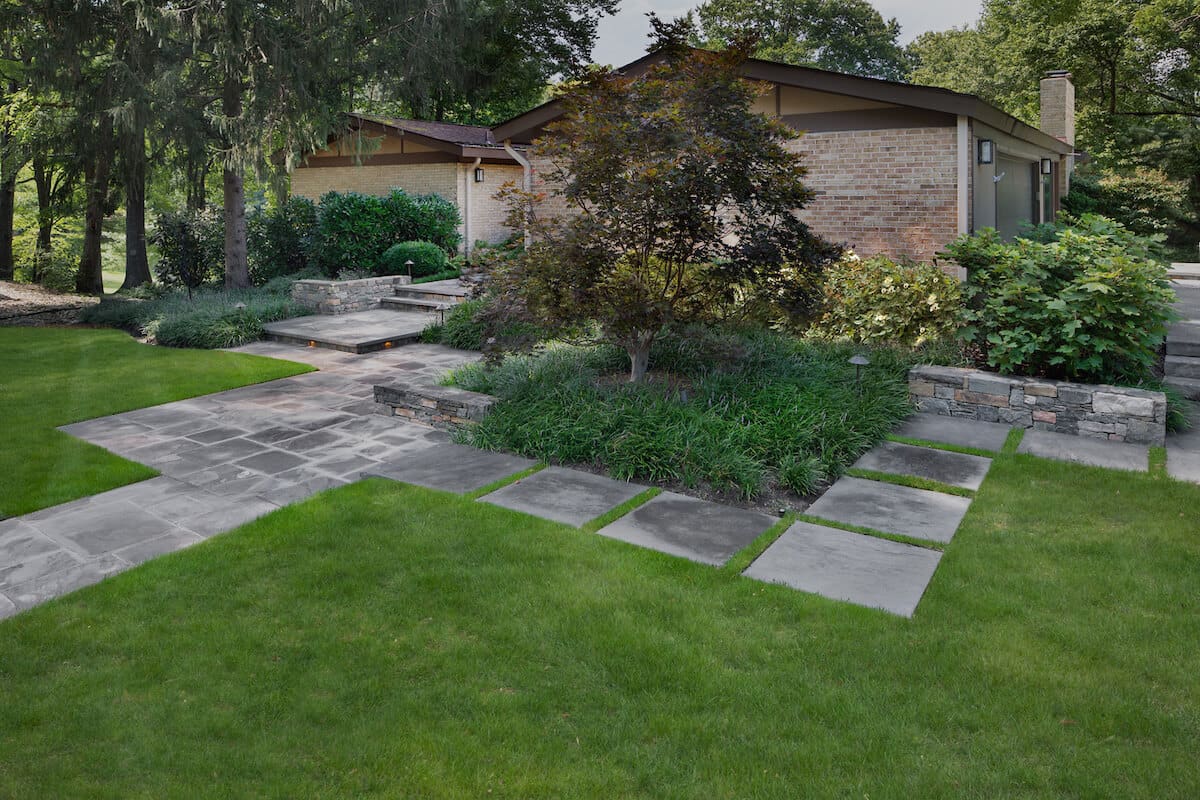
Once you’ve gotten back on track with consistent turf care, a beautiful, homogenous lawn free from eyesores like dandelions and crabgrass will no longer seem out of reach – in fact, you will have the enviable, verdant yard every homeowner craves.
Perhaps you’ve been wondering how to bring out the fullest expression in your landscape and gardens. Our eBook: Choosing the Right Kind of Landscape Maintenance Firm, is full of valuable information to help you understand the fundamental differences between landscape maintenance companies.