
How thoughtful design transformed a tiny lot with big constraints
Project Snapshot*
Location: Historic District – Herndon, Virginia
Property Size: ~0.1 acre in-town lot
Home Style: Custom farmhouse vernacular
Primary Challenge: Small lot with engineered rain garden and historic district restrictions
Signature Feature: Flagstone fireplace patio designed as a secluded outdoor room
Services: Landscape architecture, construction, irrigation, ongoing landscape maintenance and garden care
*Recipient of the Landscape Contractor Association 2024 Grand Award for Landscape Design Build
When Lee and Kim built their custom home in historic Herndon, Virginia, they knew landscaping, especially in their small back yard landscape, would be an important part of finishing the property. The house expressed the charm of an early farmhouse, but the surrounding property… not so much!
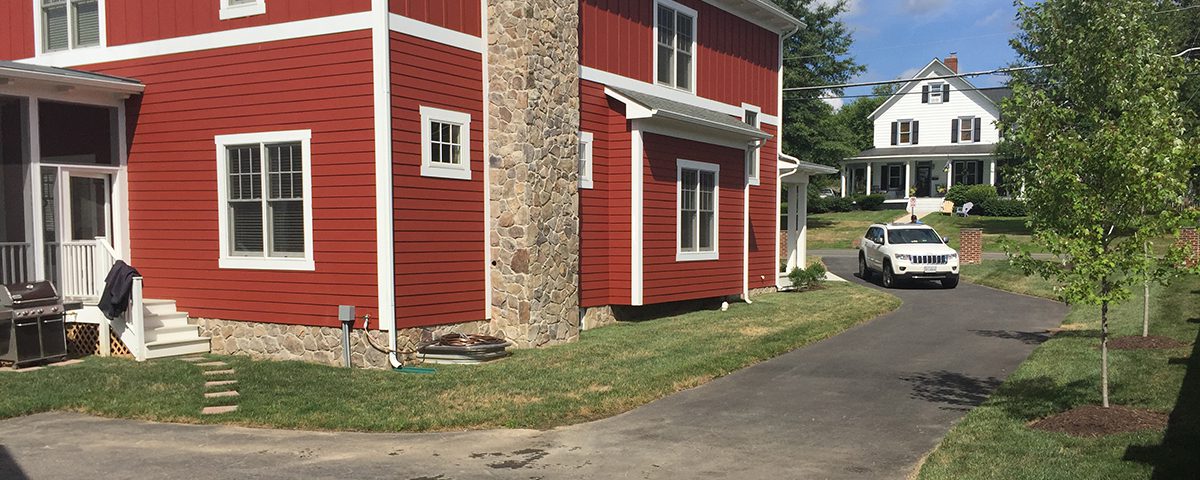
The lot was a blank slate—and very small. And a fair portion of that precious backyard area was claimed by a large, unattractive rain garden required by Fairfax County to capture and filter rainwater runoff. Strict historic district rules governing construction and materials added to the challenge.
What began as an unpromising site has since become what Lee affectionately calls a “jewel box.” Today, the backyard landscape features a secluded flagstone patio with a large stone fireplace, layered plantings that create privacy and beauty throughout the seasons, and a garden that attracts butterflies and pollinators throughout the summer months.
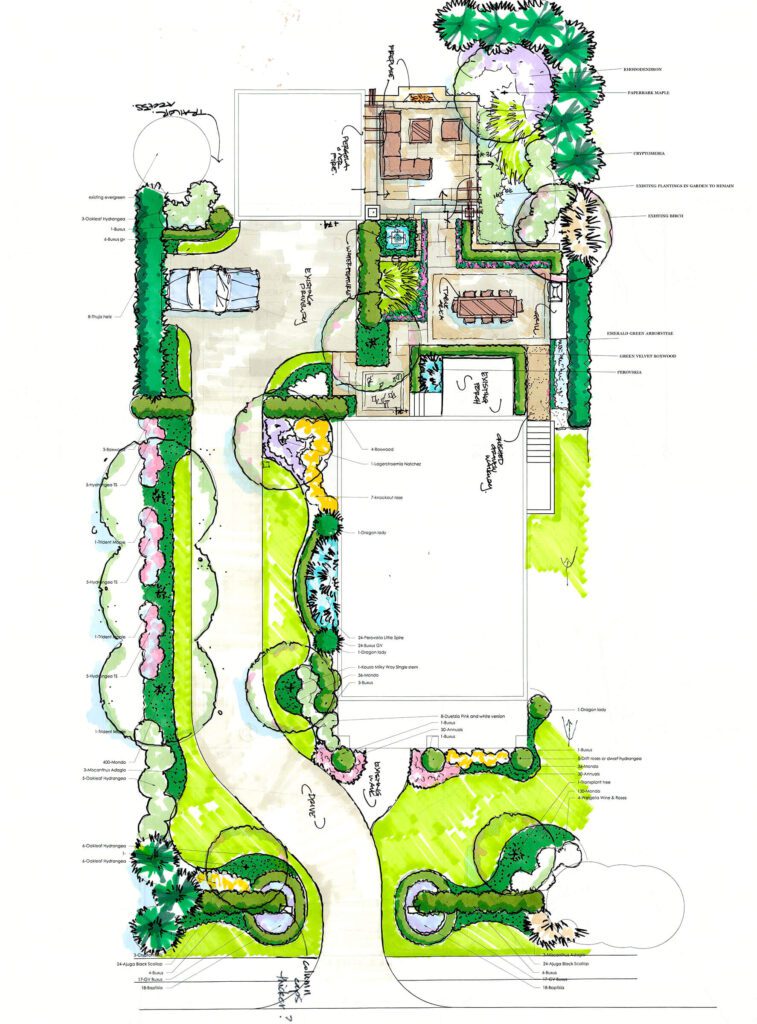
For Lee and his wife, the project did more than beautify the entire property. It created a backyard living space anchored by a substantial outdoor fireplace where they regularly entertain friends, enjoy quiet evenings by the fire, and experience the simple pleasure of stepping outside into a carefully designed landscape that feels like a natural extension of their home.
When a Blank Slate Feels Like an Impossible Puzzle
Lee and his wife previously lived in a typical suburban development where their outdoor space followed familiar patterns—patios, decks, and traditional landscaping layouts. Designing those spaces had always felt straightforward.
But their new property in Herndon presented what at first appeared to be an impossible challenge: an extremely small lot—about a tenth of an acre—dominated in the backyard by a stormwater management system installed by the homebuilder.
“Both my wife and I looked at it and went, ‘Oh my God, I can’t picture how we’re going to do this.’ I mean… I was at a loss.”
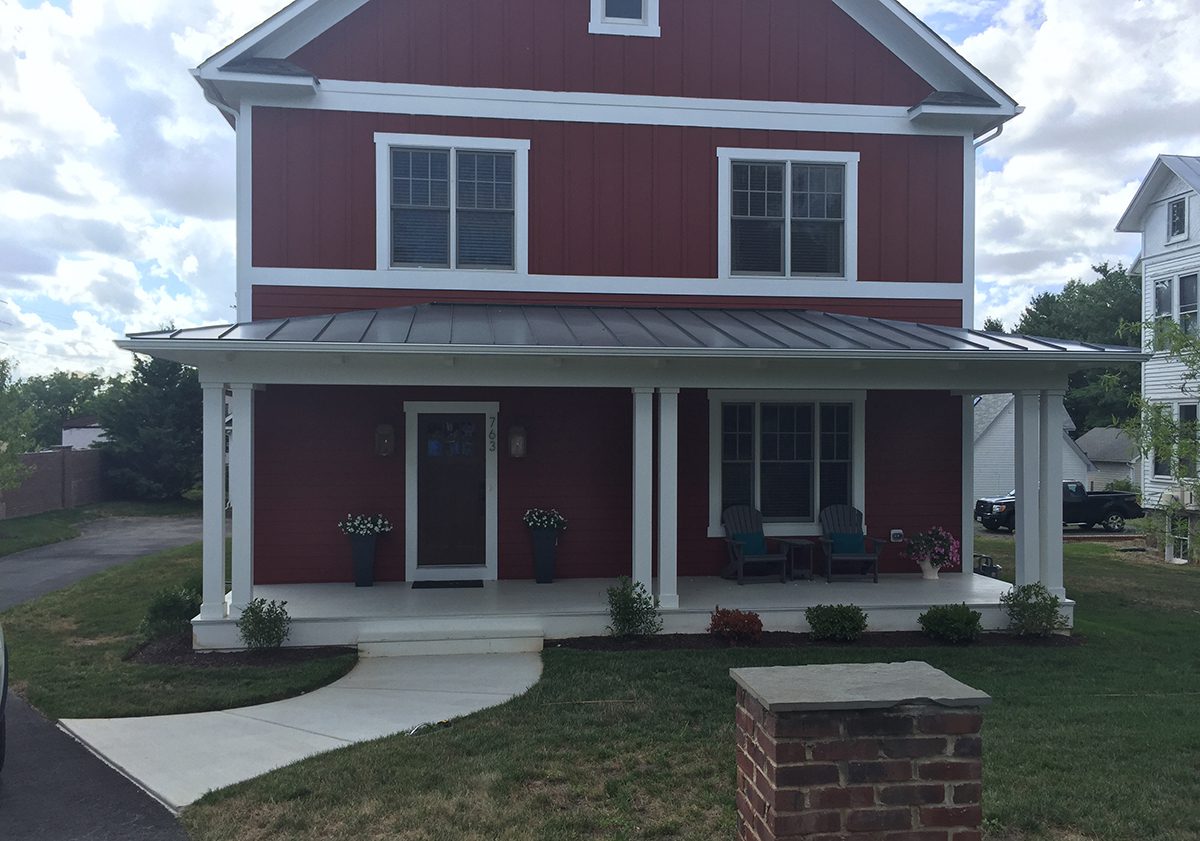
Several landscapers visited the property but seemed hesitant when faced with “the blank slate.” None proposed a clear direction. The obvious space limitations of the site—combined with strict historic district oversight—made it difficult for many contractors to envision a cohesive solution. Lee eventually decided to broaden his search and speak with landscape architects who specialized in more complex design challenges. That search led him to Surrounds.
Unlocking Creative Potential in Small Yard Landscaping
With planning and the right design concept, you can maximize the yard space you have so it feels and functions like a much larger space.
A Backyard Landscape Vision That Appeared Almost Instantly
Lee says that he almost didn’t contact Surrounds. From looking at the company website he thought his project wouldn’t be big enough.
“I remember, you know, doing a little research on Surrounds and thinking, nah, they don’t want to do this tiny little property. I called anyway. And once I met Chad, that was it.”
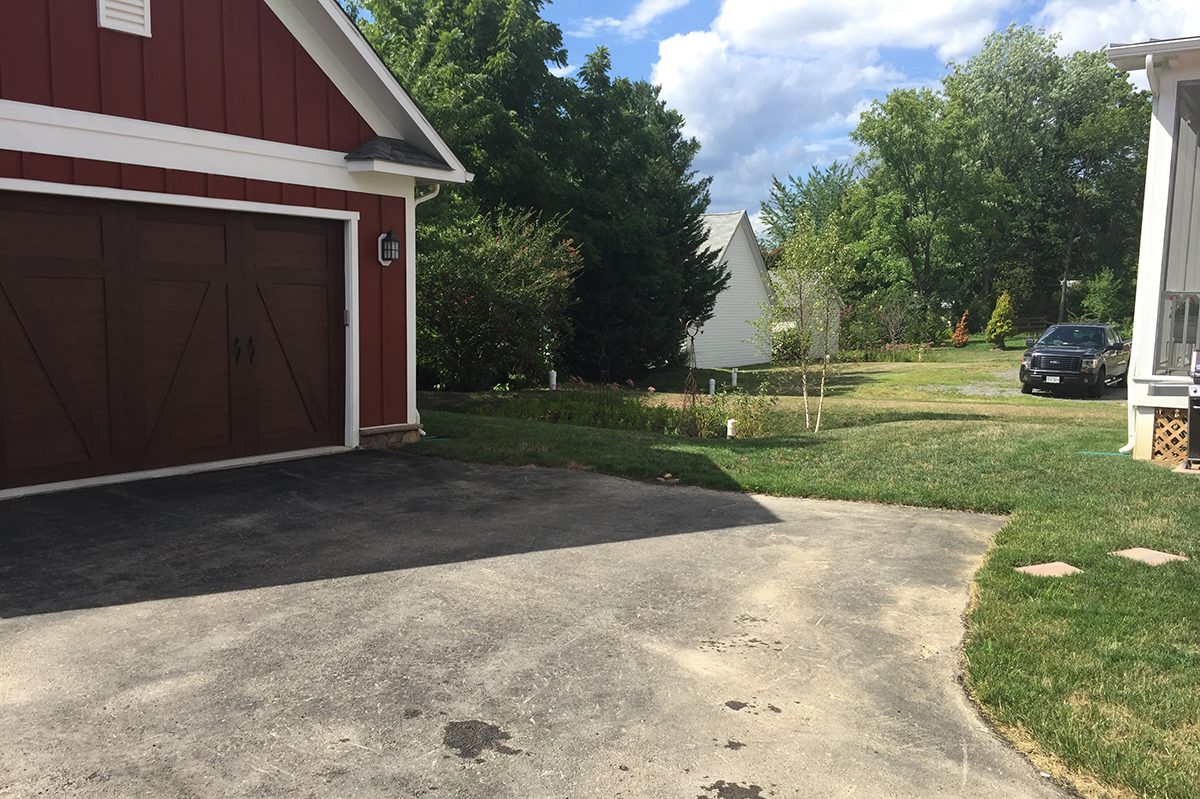
During his first visit to the property, Surrounds landscape architect Chad Talton immediately began describing possibilities for the space. What stood out most to Lee was the confidence of that initial vision.
“Chad didn’t hesitate. He had a vision almost from the jump.”
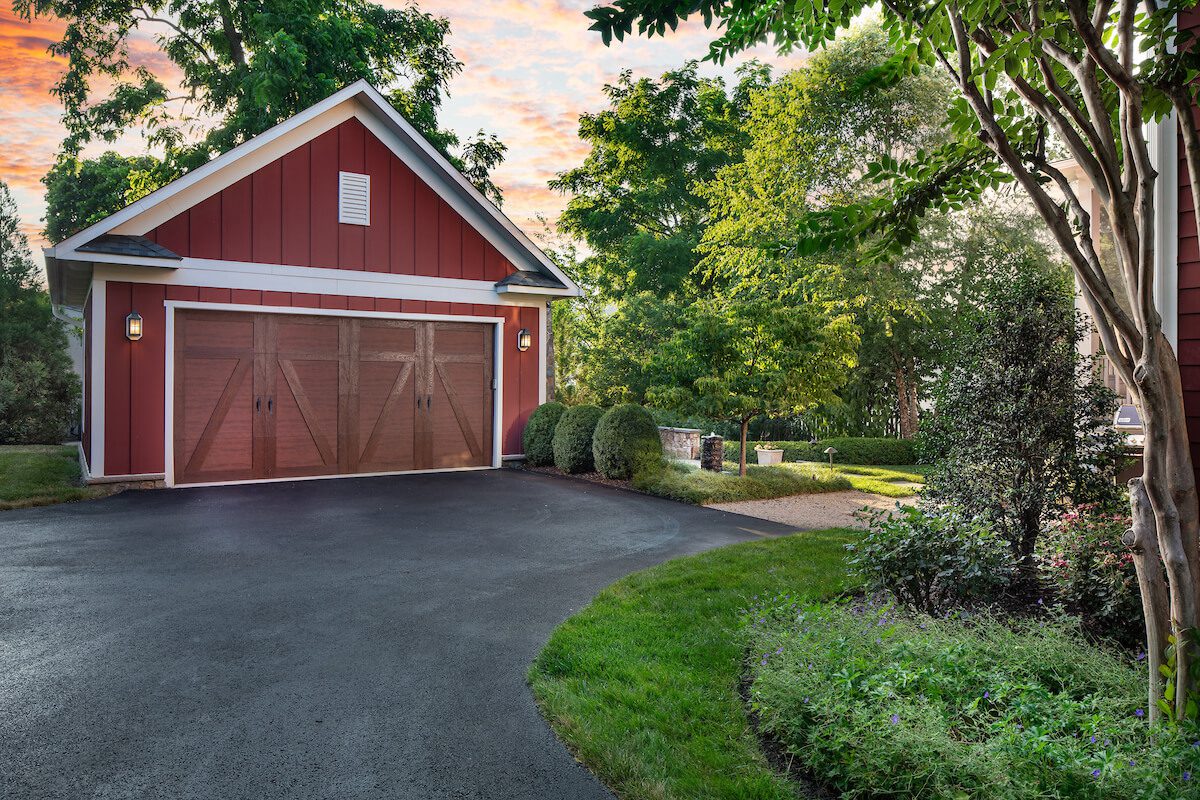
Rather than seeing a difficult lot, Chad saw the opportunity to create an intimate garden environment where the home and landscape would feel unified.
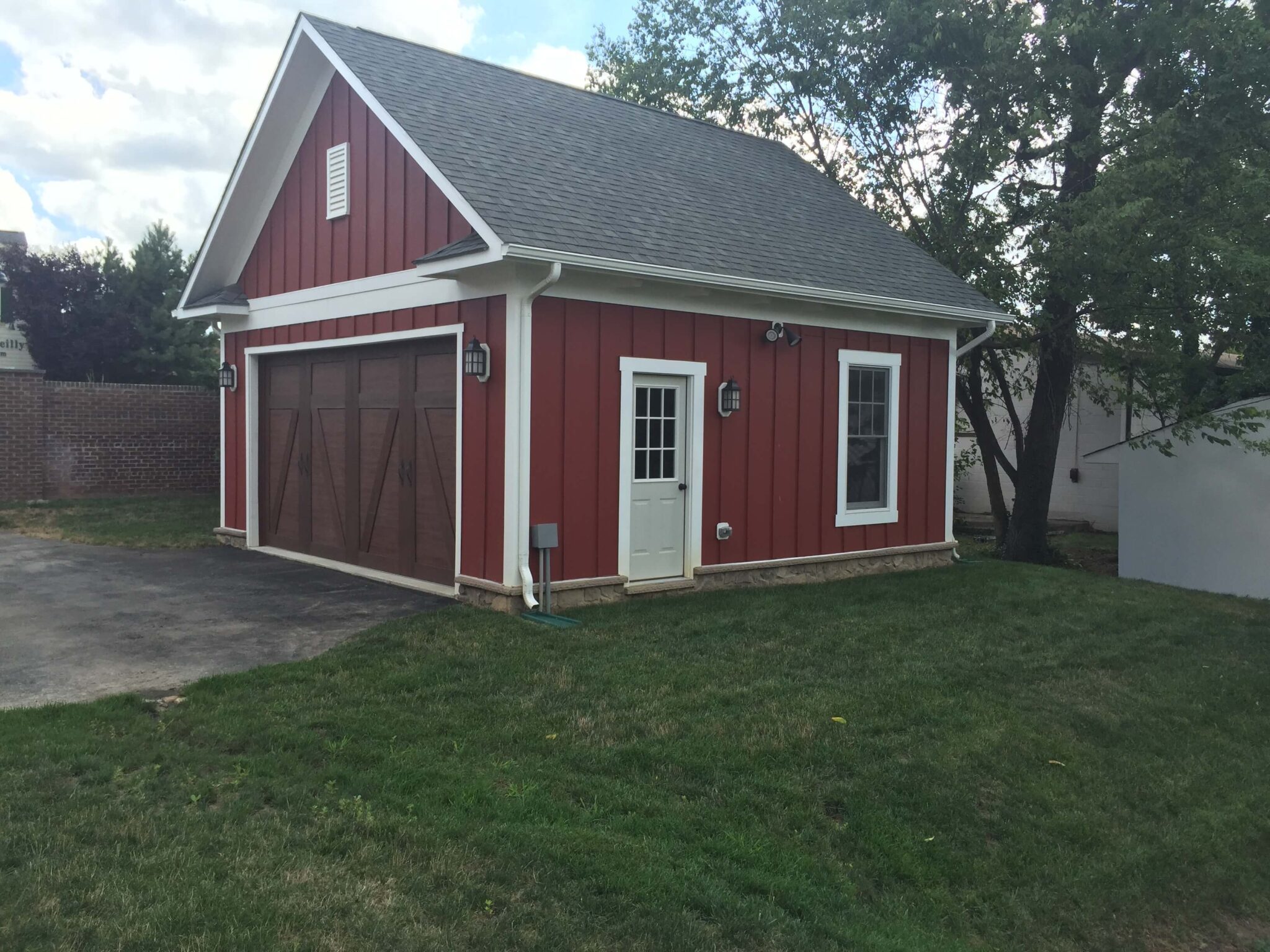
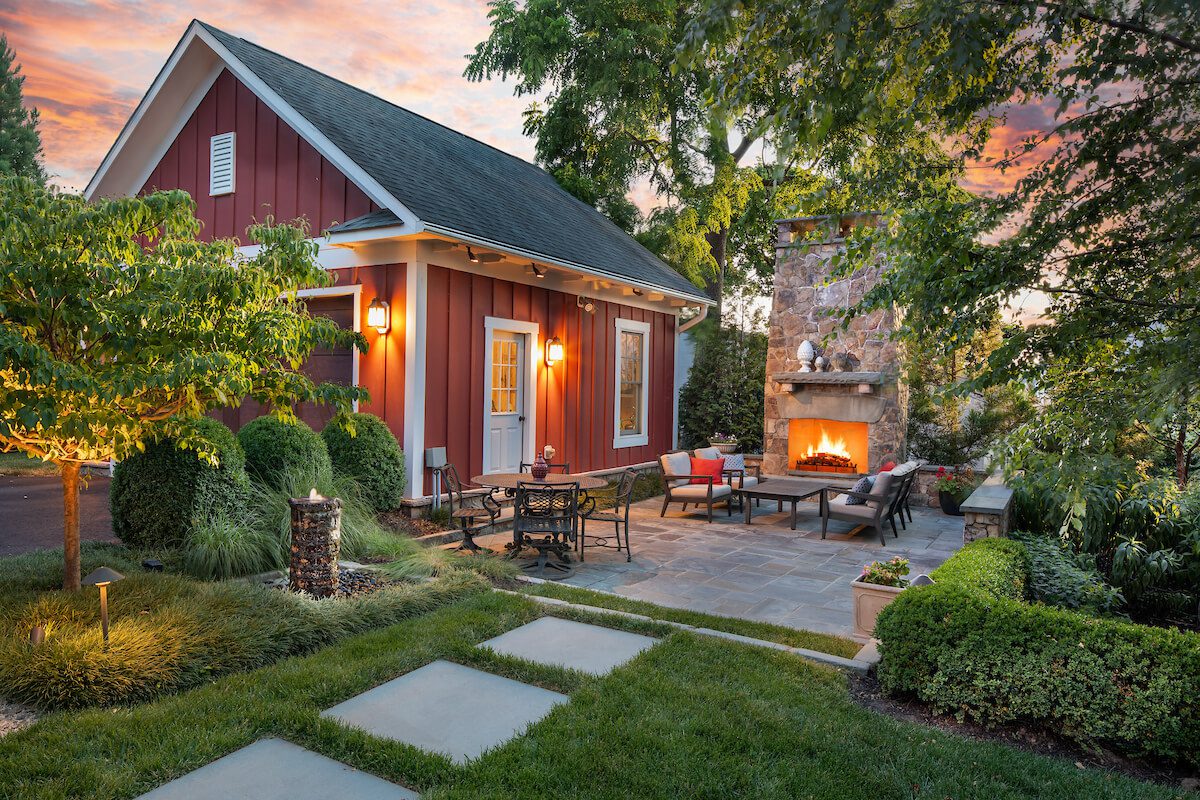
The centerpiece of the design became a secluded flagstone patio anchored by a large stone fireplace near the detached garage. The fireplace stone was carefully selected to match the stone foundation of the home so that the hardscape would feel like a natural continuation of the architecture.
The location of the patio was equally intentional. Visitors approaching the property do not immediately see it from the street. Instead, the space reveals itself gradually as guests walk around the home.The effect is quietly dramatic.
The design also transformed the required rain garden from an eyesore into a functioning garden feature filled with flowering perennials that attract butterflies and bees throughout the summer. What was once a perfunctory regulatory requirement became one of the most vibrant design features of the landscape.
Navigating Challenges with Creativity and Persistence
The landscape design process was only part of the challenge. Because the property sits within Herndon’s historic district, the project also required extensive review and approval from the town. Lee describes the process as “a homeowner’s association on steroids.”
One particular issue involved permeability requirements for the lot. Regulations required a certain percentage of the property to remain permeable so rainwater could naturally filter into the ground.
The original design included a fully flagstone walkway, but calculations showed the project would exceed the allowable percentage of hard surfaces. The solution required a design pivot: the walkway would combine flagstone with sections of pea gravel to maintain permeability.
The adjustment added complexity to the project and required engineering analysis as well as a formal presentation to the town’s review committee. Chad represented the project before the board and successfully defended the design.
These types of challenges are common in historic districts, where design approvals often involve balancing architectural integrity, environmental requirements, and aesthetic goals. In this case, the adjustments ultimately enhanced the character of the landscape while satisfying regulatory requirements.
A Tiny Property That Lives Large
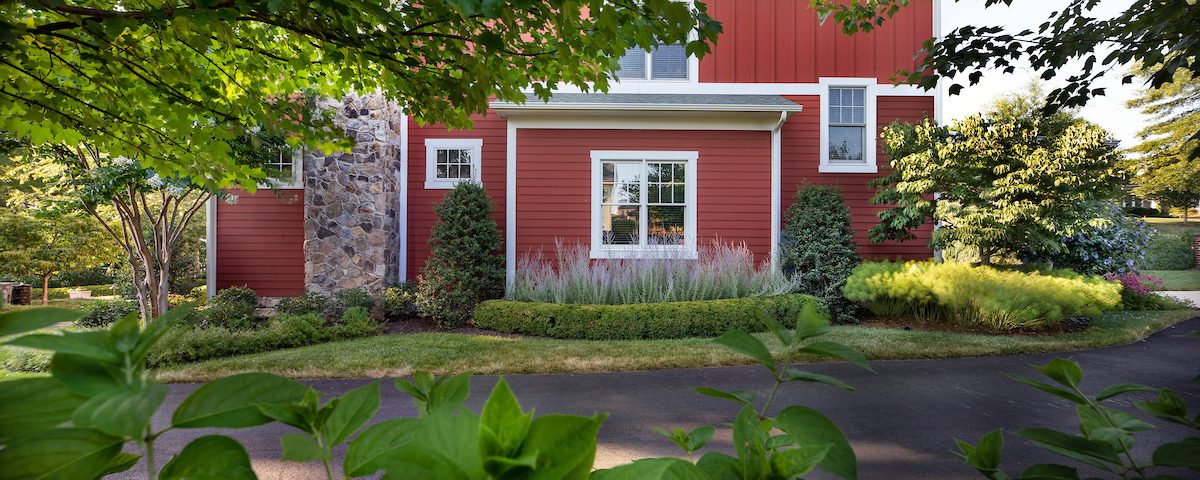
Today the property feels significantly larger than its physical size would suggest. The layered plantings, curved pathways, and careful positioning of garden features create a sense of depth and discovery as you move through the landscape.
“It’s just a perfect little jewel box of a lot.”
The patio and fireplace have become the most frequently used part of the outdoor environment. When the weather cools, the fireplace is lit and the patio becomes the center of gatherings with friends and family.
“That patio is great. When the weather’s cool, the fireplace is on and we’re all out back. We throw parties out there.”
Meanwhile, the planting design provides privacy even though the home sits within a walkable in-town neighborhood. Curved boxwood hedges and layered shrubs soften the boundaries of the property and screen views from nearby streets.
Even the rain garden—once a somewhat bare depression in the yard—now plays an important ecological role while adding seasonal beauty.
“All summer it’s full of butterflies and bees feeding on the perennials.”
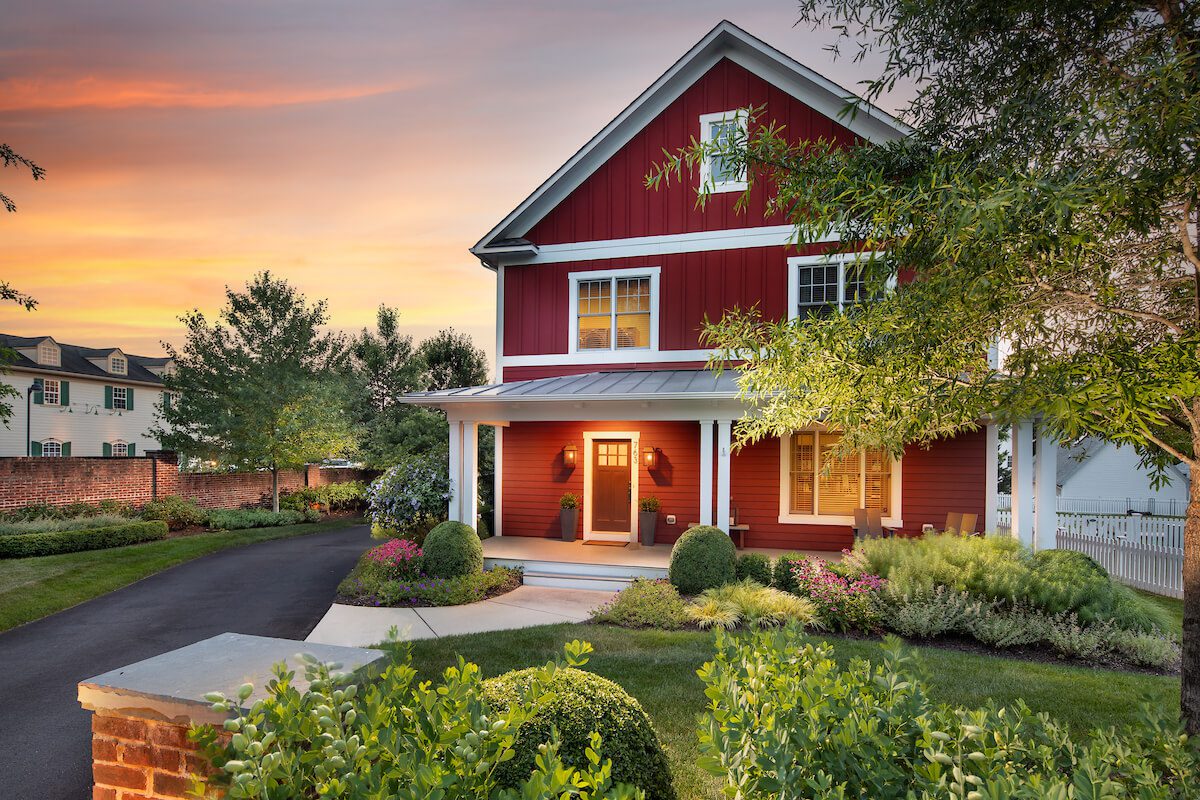
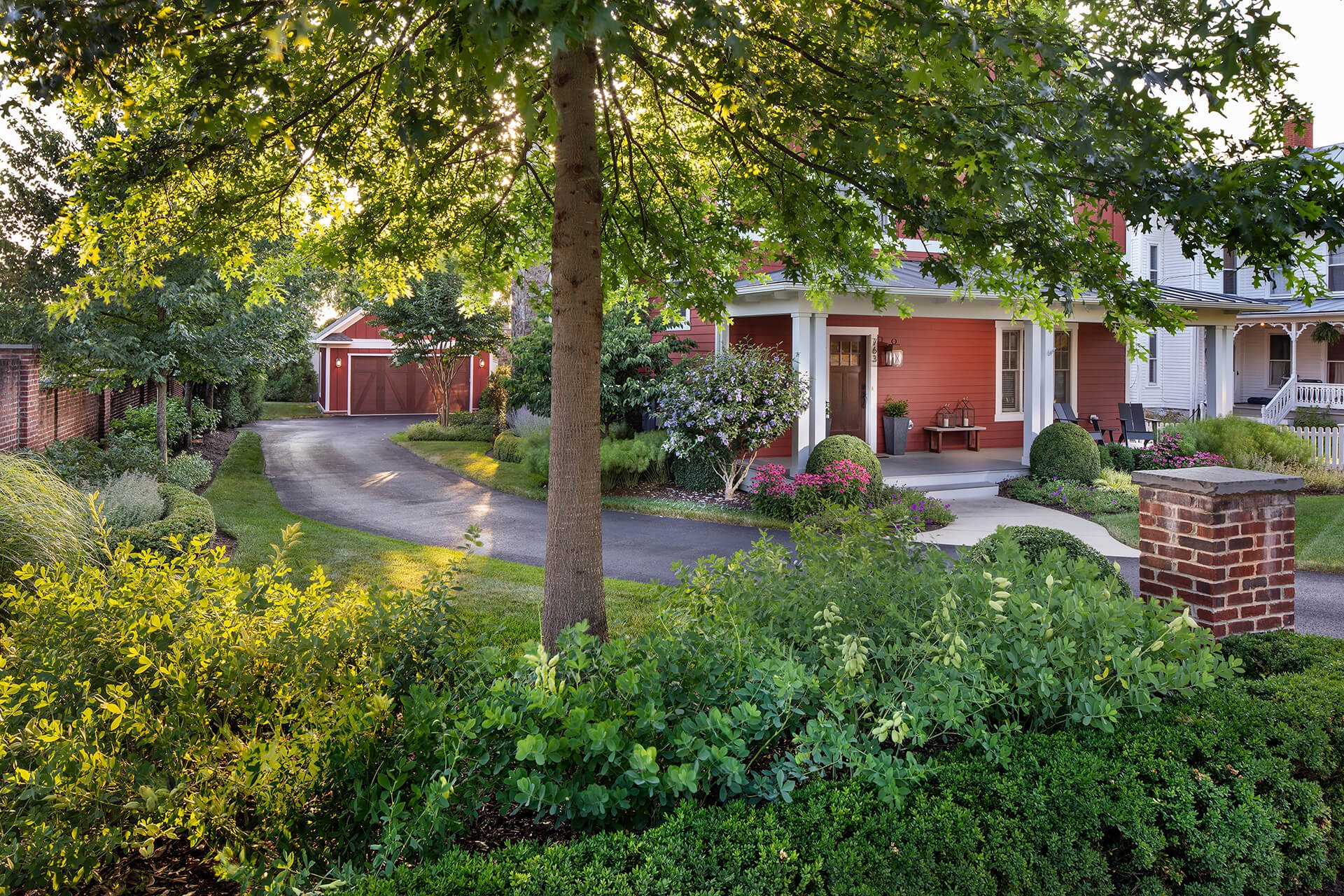
The vibrancy of the backyard landscape extends to the front of the home, where the planting design frames the porch and provides a comfortable buffer from the nearby street.
Ongoing Care That Protects the Investment
After construction was completed, Lee chose to retain Surrounds for full-service landscape care. For him, professional maintenance was an essential part of protecting the investment in the property.
Surrounds manages irrigation systems, seasonal plant care, pruning, and ongoing improvements as the landscape matures. A dedicated project manager coordinates maintenance visits and keeps Lee informed about upcoming work.
“I was wanted a highly professional, well thought out, well-engineered plan and execution—and I was willing to pay what it took to make that happen.”
Lee acknowledges that Surrounds’ services cost more than hiring a basic landscaping crew. But for him, the expertise and attention to detail are worth the investment.
“I can’t imagine anybody taking the care that Surrounds does in the way they take care of this property.”
Today the property continues to evolve as plants mature and new improvements are added. For Lee and Kim, the outdoors has become one of the most enjoyable parts of their home.
What once felt like a perplexing design challenge is now a welcoming outdoor retreat—proof that thoughtful landscape architecture can transform even the smallest spaces into something remarkable.
Do you feel “stuck” with your small or oddly shaped backyard landscape? Don’t be. A talented landscape architect can see your landscape for what it is and what it could be. Find out how to make the most of what you have by reading our ebook “Unlocking Creative Potential in Small Yard Landscaping.”